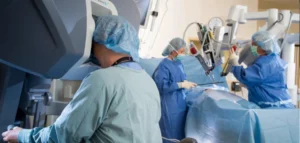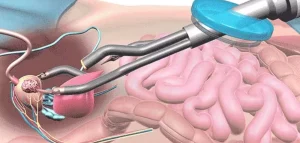
Prostate : Robotic radical prostatectomy Robotic radical prostatectomy is a...
Read MoreAt Dr. Dr. Ajinkya Kasekar’s Urology Centre, we offer a comprehensive range of advanced urological treatments using the latest laser, endoscopic, laparoscopic, and robotic techniques. From kidney and ureteric stones to prostate, bladder, and reconstructive surgeries, every treatment is tailored for precision, comfort, and faster recovery.
Our goal is to deliver personalized, minimally invasive, and effective care for every patient.
Prostate : Robotic radical prostatectomy Robotic radical prostatectomy is a...
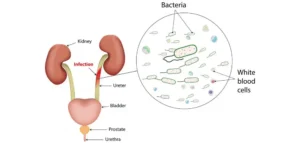
Read MoreRecurrent UTI ( urinary tract infections) Recurrent urinary tract infections...
Read MoreRobotic Prostatectomy Robotic prostatectomy is a highly advanced, minimally invasive...
Read More
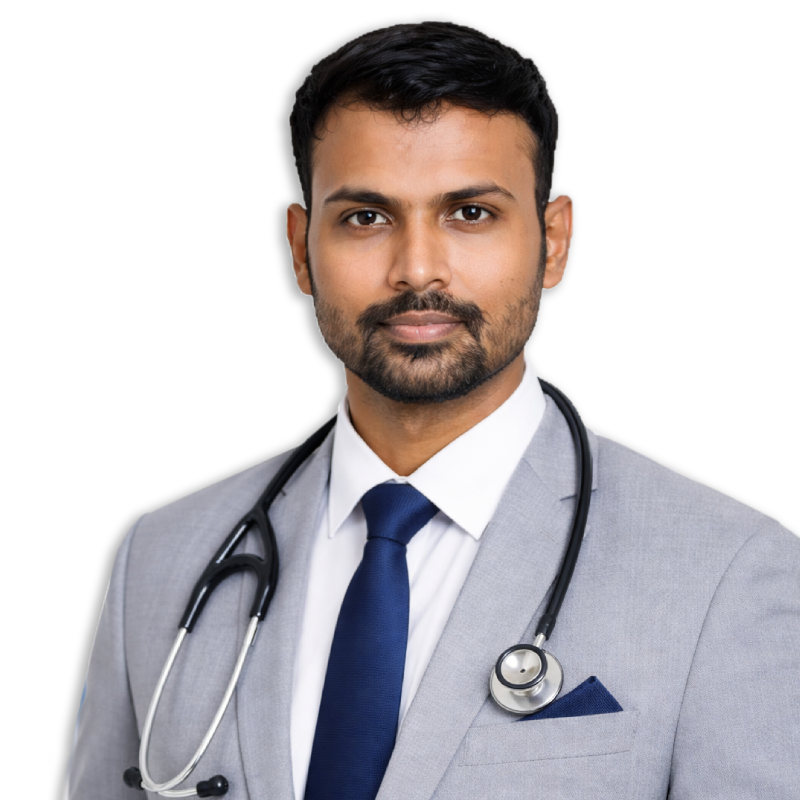
About Dr. Ajinkya Kasekar
Dr. Kasekar holds an MBBS, a Master of Surgery (MS) in General Surgery from Government Medical College, Aurangabad, and a DrNB (DNB) in Urology from the prestigious Jaslok Hospital & Research Centre in Mumbai. He has built a strong reputation for diagnosing and managing a wide range of urological conditions, utilizing both traditional and minimally invasive techniques.
Stay informed with expert insights on kidney stones, prostate health, urinary infections, incontinence, and advanced urology treatments. Our blog is designed to help patients understand symptoms, treatment options, and preventive care in simple, easy-to-read language.
You should see a urologist if you experience urinary pain, frequent infections, difficulty passing urine, kidney stones, prostate symptoms, incontinence, or any genital concerns.
No. Small stones may pass naturally with medication and hydration. Larger or painful stones may require laser or minimally invasive procedures, depending on size and location.
Yes. Laser procedures like URS, RIRS, and PCNL are safe, effective, and minimally invasive, with quick recovery and high success rates.
Common issues include prostate enlargement (BPH), urinary difficulty, frequent night urination, weak urine stream, and prostate cancer in older men.
Not always. Mild symptoms can be managed with medicines. Surgery like TURP or laser treatment is advised when symptoms are severe or complications occur.
Recurrent UTIs often indicate an underlying issue such as stones, prostate enlargement, poor bladder emptying, or structural problems that need urological evaluation.
Yes. Stress urinary incontinence can be effectively treated with pelvic floor therapy or minimally invasive sling surgery (TOT / TVT).
Most modern urology procedures are minimally invasive, performed under anesthesia, and associated with minimal pain and faster recovery.
Yes. Conditions like bedwetting, undescended testis, hypospadias, and recurrent UTIs are common in children and need early evaluation.
If symptoms persist or worsen, simple surgical procedures offer a permanent and safe solution.

Dr. Ajinkya Kasekar is a trusted urologist in Mumbai, offering comprehensive care for kidney stones, prostate disorders, urinary infections, incontinence, and reconstructive urology using modern, minimally invasive techniques.