Urinary Problems in Male and Female Patients What Are Urinary Problems? Urinary problems refer to …
Urethral dilatation is a minimally invasive procedure used to widen a narrowed urethra and restore normal urine flow. A narrowing of the urethra—known as a urethral stricture—can cause difficulty urinating, pain, infections, and long-term urinary problems.
Under the care of Dr. Ajinkya Kasekar, urethral dilatation is performed safely using modern instruments to provide quick relief and improve urinary function.
A urethral stricture occurs when the urethra becomes scarred or narrowed due to:
Previous infections
Injury or trauma
Catheter use
Prior surgeries
Inflammation
Unknown causes (idiopathic cases)
This narrowing obstructs urine flow and may lead to repeated UTIs or bladder issues if not treated.
Patients may experience:
Weak urine stream
Straining to pass urine
Burning or pain during urination
Feeling of incomplete emptying
Frequent UTIs
Splitting or spraying of the urine stream
Urinary retention (in severe cases)
Urethral dilatation is a non-surgical procedure that gently stretches the narrowed part of the urethra to improve urine flow. It is usually done using:
Soft dilators
Balloon dilatation catheters
Endoscopic guidance (as needed)
This method is often recommended as an initial treatment or for patients unfit for surgery.
Urethral dilatation is typically done under local or short anesthesia.
Steps include:
A thin instrument is gently inserted into the urethra.
The narrowed segment is gradually widened.
A catheter may be placed temporarily to support healing.
The procedure is quick, usually taking 10–15 minutes, and most patients go home the same day.
Immediate improvement in urine flow
Minimally invasive
No external cuts
Quick procedure and recovery
Useful for early or short strictures
Provides fast symptom relief
Patients may experience mild burning or discomfort for a short time. Dr. Ajinkya Kasekar provides guidance on:
Medications
Hydration
Follow-up care
Preventing recurrence
Most patients resume normal activities within a day.
Some strictures may recur depending on their:
Length
Location
Cause
Severity
In cases of repeated recurrence, other treatments such as endoscopic incision (VIU) or urethroplasty may be recommended.
Expertise in managing urethral strictures
Uses gentle, safe, and effective dilatation techniques
Patient-centric care and clear guidance
Focus on long-term outcomes
Experience in both minimally invasive and reconstructive urology procedures
If you are experiencing difficulty urinating or symptoms of a urethral stricture, early treatment can prevent complications. Consult Dr. Ajinkya Kasekar for accurate diagnosis and advanced urology care.
Urinary Problems in Male and Female Patients What Are Urinary Problems? Urinary problems refer to …
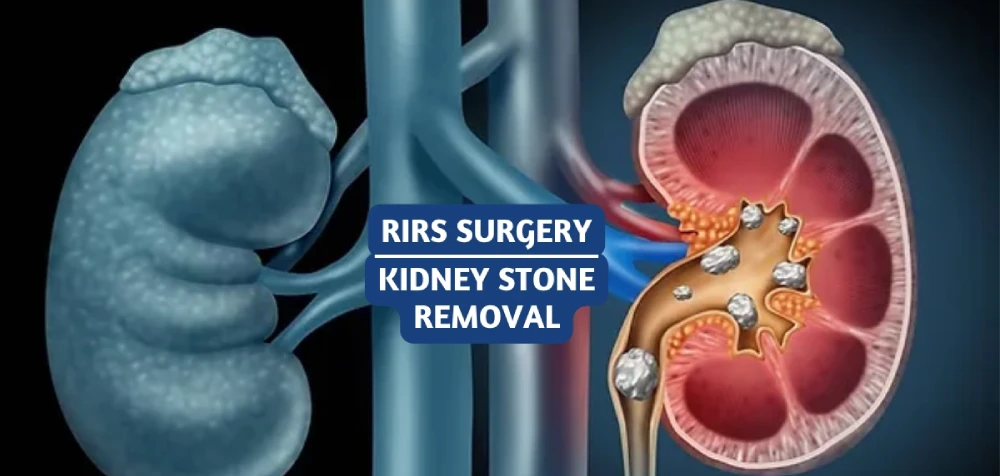
RIRS with laser removal RIRS (Retrograde Intrarenal Surgery) with laser lithotripsy is one of the …
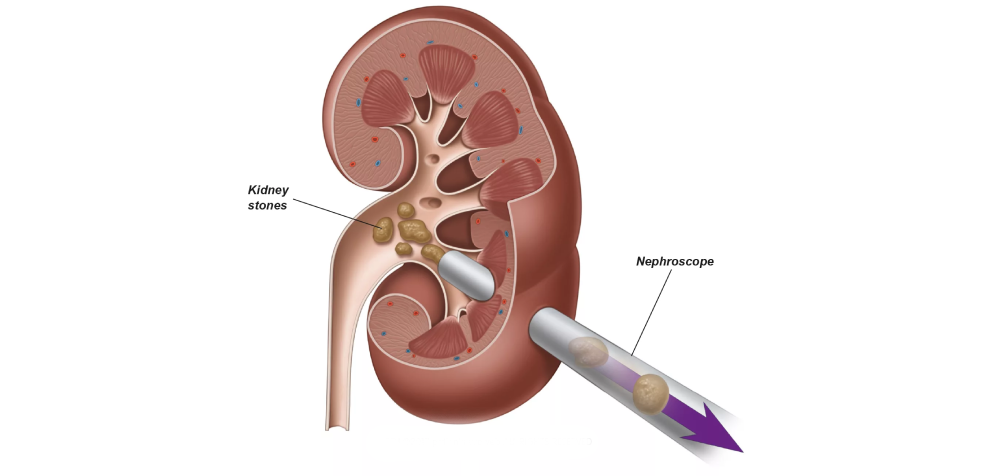
PCNL (Percutaneous Nephrolithotomy) PCNL (Percutaneous Nephrolithotomy) is an advanced, minimally invasive surgical procedure used to …
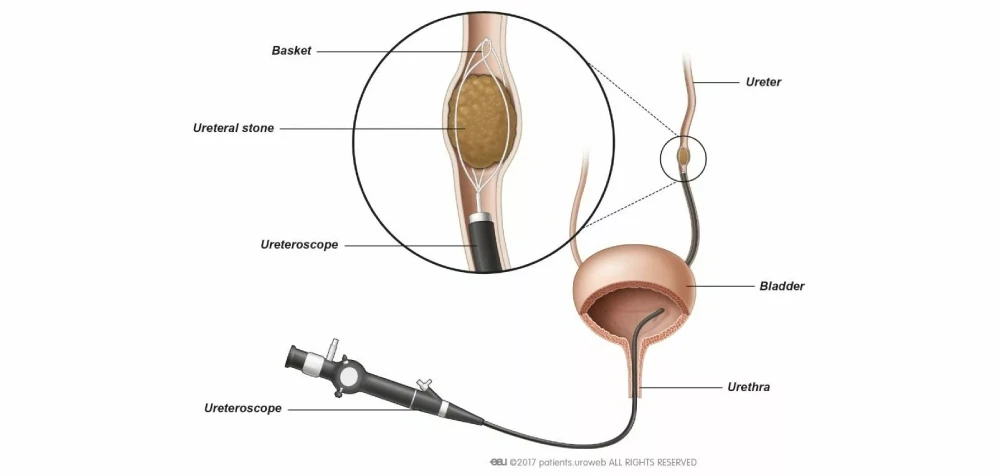
URS with laser removal URS (Ureteroscopy) with laser lithotripsy is a highly effective, minimally invasive …

Dr. Ajinkya Kasekar is a trusted urologist in Mumbai, offering comprehensive care for kidney stones, prostate disorders, urinary infections, incontinence, and reconstructive urology using modern, minimally invasive techniques.