Urinary Problems in Male and Female Patients What Are Urinary Problems? Urinary problems refer to …
Penile excision, also known as penectomy, is a surgical procedure performed to treat penile cancer or other severe penile conditions where preserving health and preventing disease spread is the priority.
Under the expert care of Dr. Ajinkya Kasekar, partial or total penile excision is performed with precision, compassion, and a strong focus on both oncological safety and quality of life.
Penile excision involves the surgical removal of:
Part of the penis (Partial Penectomy), or
The entire penis (Total Penectomy)
The extent of surgery depends on the stage, size, and spread of disease, with the goal of complete disease removal while preserving as much function as safely possible.
Penectomy is most commonly required for:
Penile cancer
Advanced or recurrent penile tumors
Large ulcerative or non-healing penile lesions
Severe infection or tissue destruction (rare cases)
Failed conservative or organ-preserving treatments
Early diagnosis can often allow partial excision, avoiding total removal.
Painless lump or growth on the penis
Non-healing ulcer or wound
Bleeding or discharge from penile skin
Change in color or thickening of penile skin
Pain or swelling of the penis
Enlarged groin lymph nodes
Any persistent penile lesion should be evaluated urgently.
1. Partial Penectomy
Only the cancer-affected portion of the penis is removed, leaving enough length for urination in standing position and, in some cases, sexual function.
Preferred when:
Cancer is localized
Tumor is small and confined
Adequate margins can be preserved
2. Total Penectomy
The entire penis is removed to ensure complete cancer clearance.
Required when:
Cancer is extensive or deeply invasive
Tumor involves the penile base
Partial excision cannot achieve safe margins
In total penectomy, a new urinary opening (perineal urethrostomy) is created to allow urination in a sitting position.
Surgery is done under spinal or general anesthesia.
Cancer-affected tissue is removed with safe margins.
Reconstruction of the urinary passage is performed if required.
Groin lymph node evaluation may be advised based on cancer stage.
Wound is closed carefully for optimal healing.
Procedure time: 1–2 hours, depending on extent.
Most patients:
Stay in hospital for 2–4 days
Resume basic activities within 2–3 weeks
Experience manageable discomfort with medication
Receive detailed wound and hygiene care instructions
Undergo further cancer staging and follow-up
Partial penectomy: Many patients retain urinary control and some sexual function
Total penectomy: Normal urination is possible through a new opening; sexual counseling and psychological support are provided
Emotional and psychological support is an important part of recovery
Dr. Ajinkya Kasekar ensures complete counseling and long-term support.
Expertise in urological cancer surgery
Focus on cancer control with function preservation
Ethical, patient-centric decision making
Compassionate handling of sensitive conditions
Multidisciplinary approach when needed
Strong post-operative and oncological follow-up
Penile cancer detected early can often be treated with organ-preserving surgery.
Delays may lead to more extensive surgery and reduced outcomes.
If you have noticed any abnormal growth, ulcer, or persistent lesion on the penis, early evaluation is crucial.
Consult Dr. Ajinkya Kasekar for expert diagnosis, counseling, and safe surgical management.
Urinary Problems in Male and Female Patients What Are Urinary Problems? Urinary problems refer to …
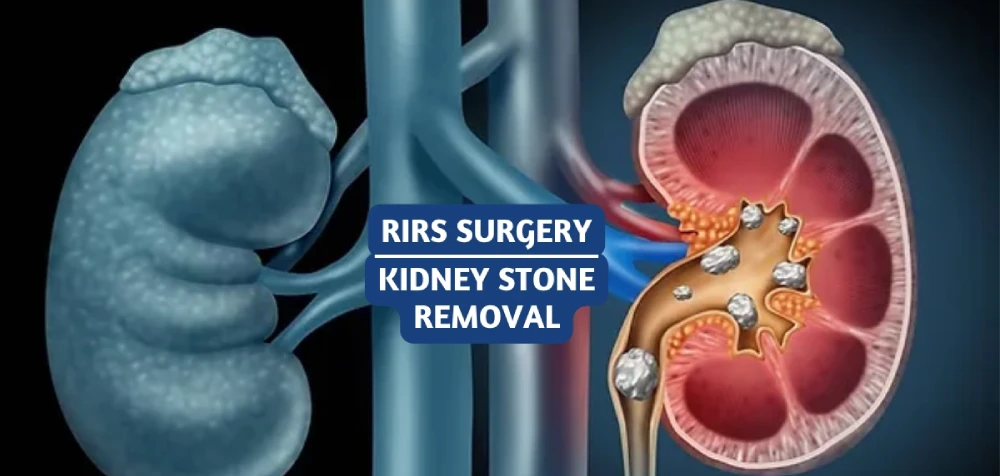
RIRS with laser removal RIRS (Retrograde Intrarenal Surgery) with laser lithotripsy is one of the …
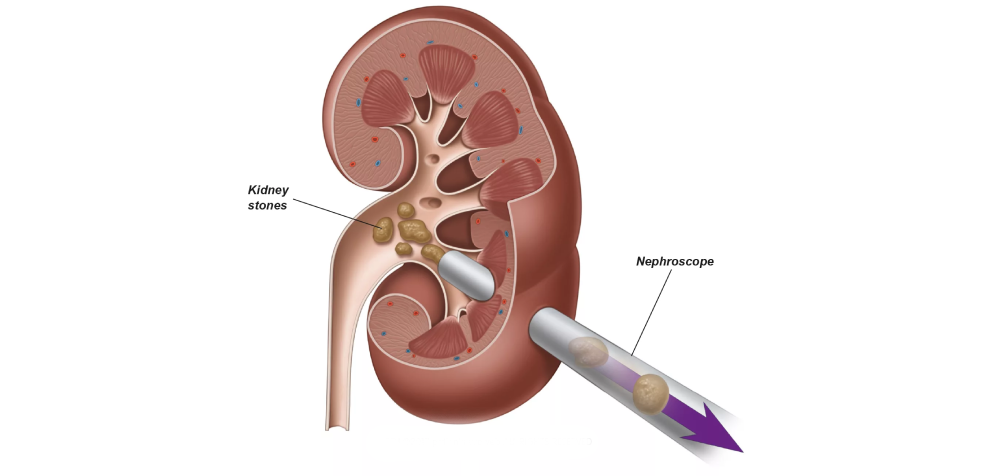
PCNL (Percutaneous Nephrolithotomy) PCNL (Percutaneous Nephrolithotomy) is an advanced, minimally invasive surgical procedure used to …
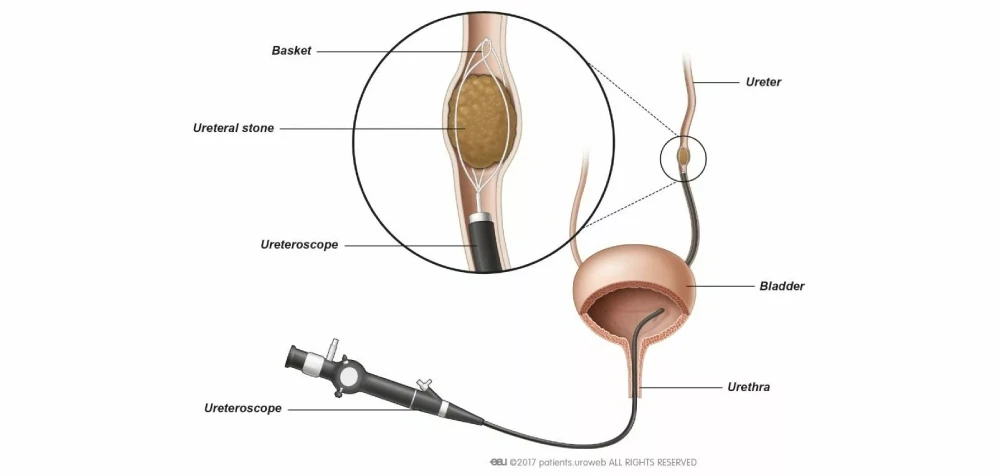
URS with laser removal URS (Ureteroscopy) with laser lithotripsy is a highly effective, minimally invasive …

Dr. Ajinkya Kasekar is a trusted urologist in Mumbai, offering comprehensive care for kidney stones, prostate disorders, urinary infections, incontinence, and reconstructive urology using modern, minimally invasive techniques.