Urinary Problems in Male and Female Patients What Are Urinary Problems? Urinary problems refer to …
Nephrectomy is a surgical procedure to remove all or part of a kidney. It is performed to treat kidney cancer, severely damaged kidneys, non-functioning kidneys, or complex kidney diseases.
Under the expertise of Dr. Ajinkya Kasekar, nephrectomy is performed using modern surgical techniques—laparoscopic, robotic, or open—to ensure safe outcomes, minimal pain, and a smooth recovery.
Nephrectomy involves removing a diseased or non-functioning kidney.
Depending on the condition, it may be:
1. Partial Nephrectomy
Only the diseased portion of the kidney is removed.
Purpose: Preserve as much healthy kidney tissue as possible.
Ideal for small tumors or localized disease.
2. Radical Nephrectomy
The entire kidney is removed along with surrounding tissues when necessary.
Purpose: Treat cancer or severely damaged kidneys.
3. Simple Nephrectomy
Removal of a non-functioning or infected kidney.
Purpose: Treat conditions like chronic infection, stones, or obstruction.
Nephrectomy is recommended for:
Kidney cancer
Renal tumors (benign or malignant)
Non-functioning kidney
Severe kidney infections
Large or complex kidney stones causing permanent damage
Traumatic kidney injury
Polycystic kidney disease complications
Obstructed kidneys with repeated infections
Persistent flank pain
Blood in urine
Recurrent UTIs
Weight loss, fever, or fatigue (in cancer)
Poorly functioning kidney on scans
Swelling or palpable mass
Early diagnosis ensures better outcomes.
Depending on the patient’s condition, nephrectomy can be done using:
1. Laparoscopic Nephrectomy
Keyhole incisions
Minimal pain
Faster recovery
Preferred for most benign and many cancer cases
2. Robotic-Assisted Nephrectomy
Enhanced precision
Better visualization
Ideal for complex tumors
Faster healing and minimal blood loss
3. Open Nephrectomy
Used in very large tumors or difficult anatomical cases
Anesthesia is administered.
Surgical access is created depending on the technique.
The kidney or diseased segment is carefully removed.
Blood vessels and ureter are safely managed.
The incision(s) are closed, and the patient is monitored.
Effective removal of diseased tissue
High cancer-control rates
Protection of overall kidney function
Minimal postoperative pain
Shorter hospital stay (especially with laparoscopic/robotic techniques)
Faster return to normal activities
Most patients experience:
Hospital stay: 2–4 days
Return to routine work: 2–3 weeks (laparoscopic/robotic), 4–6 weeks (open)
Mild discomfort at the incision site
Gradual improvement in stamina
Follow-up includes wound care, blood tests, kidney function monitoring, and imaging if needed.
Most people live a completely normal life with one healthy kidney.
Important long-term recommendations include:
Staying well-hydrated
Maintaining a healthy lifestyle
Regular follow-up for kidney function tests
Avoiding unnecessary nephrotoxic medications
Expertise in laparoscopic and robotic kidney surgery
Precision-based surgical approach
Focus on kidney preservation whenever possible
Clear communication and compassionate care
Proven outcomes in both benign and cancer cases
Comprehensive pre- and post-surgery support
If you have a kidney condition that requires evaluation or surgical treatment, consult Dr. Ajinkya Kasekar for advanced, safe, and personalized nephrectomy care.
Urinary Problems in Male and Female Patients What Are Urinary Problems? Urinary problems refer to …
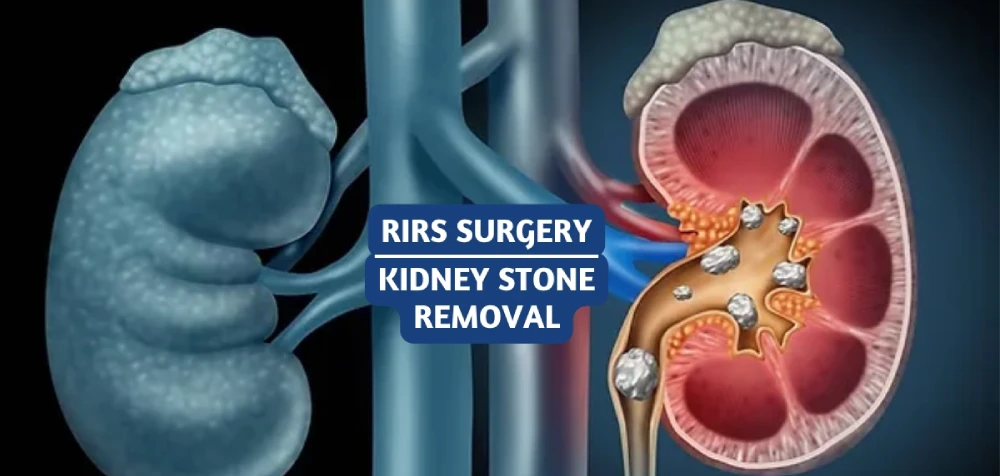
RIRS with laser removal RIRS (Retrograde Intrarenal Surgery) with laser lithotripsy is one of the …
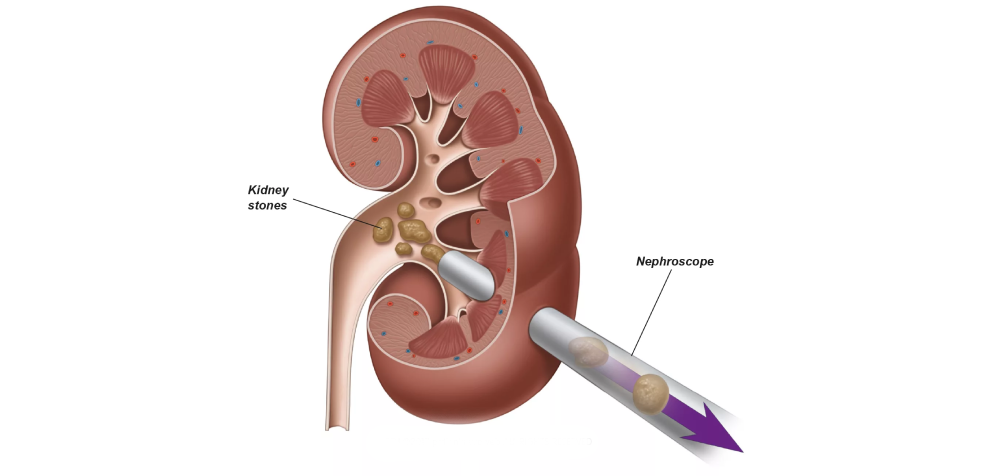
PCNL (Percutaneous Nephrolithotomy) PCNL (Percutaneous Nephrolithotomy) is an advanced, minimally invasive surgical procedure used to …
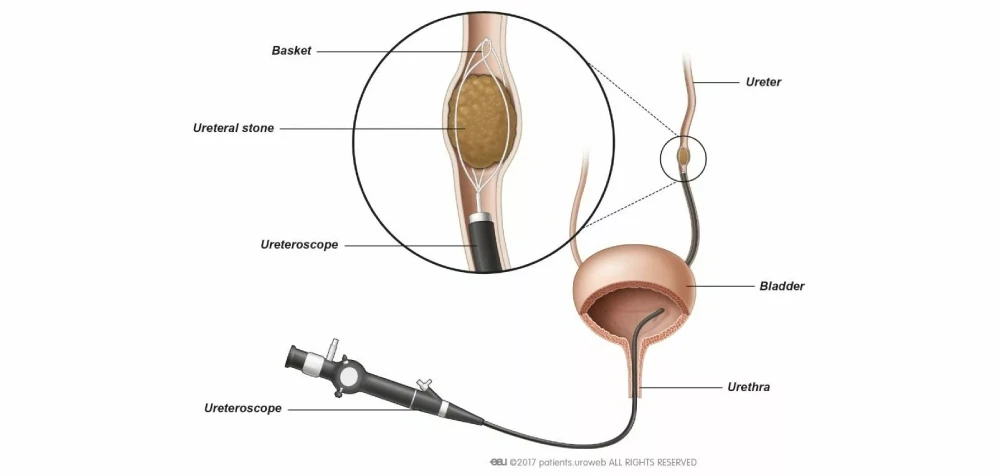
URS with laser removal URS (Ureteroscopy) with laser lithotripsy is a highly effective, minimally invasive …

Dr. Ajinkya Kasekar is a trusted urologist in Mumbai, offering comprehensive care for kidney stones, prostate disorders, urinary infections, incontinence, and reconstructive urology using modern, minimally invasive techniques.