Urinary Problems in Male and Female Patients What Are Urinary Problems? Urinary problems refer to …
Bladder stones are hard mineral deposits that form inside the urinary bladder, often due to incomplete emptying of urine, prostate enlargement, infections, or long-standing urinary obstruction.
Under the care of Dr. Ajinkya Kasekar, bladder stones are treated using modern, minimally invasive techniques that ensure complete stone removal, fast relief from symptoms, and a smooth recovery.
Bladder stones occur when minerals in the urine crystallize and grow due to poor bladder emptying. They may be small, large, single, or multiple and can cause significant discomfort if untreated.
Common symptoms include:
Lower abdominal or pelvic pain
Burning during urination
Difficulty or interruption while urinating
Blood in urine
Frequent urination
Cloudy or foul-smelling urine
Recurrent UTIs
Pain worsens toward the end of urination
Bladder stones may form due to:
Enlarged prostate (in men)
Long-standing urinary obstruction
Urethral stricture
Neurogenic bladder
Foreign bodies or catheters
Bladder diverticula
Chronic urinary tract infections
Kidney stones that migrate down into the bladder
To confirm the presence of bladder stones, Dr. Ajinkya Kasekar may advise:
Ultrasound of the bladder
X-ray or CT scan
Urine analysis
Cystoscopy (endoscopic evaluation)
These tests help determine the size, number, and location of the stones.
This is the most common and preferred treatment for bladder stones.
A thin scope is passed through the urethra (no cuts)
The stone is visualized directly
A laser is used to break the stone into small fragments
Fragments are washed out safely
Benefits:
✔ No incision
✔ Quick procedure
✔ Fast recovery
✔ Excellent stone clearance
Recommended only for very large stones or when combined with prostate or bladder surgery.
To prevent recurrence, it is important to treat the reason the stone formed, such as:
Enlarged prostate (BPH)
Urethral stricture
Bladder outlet obstruction
Chronic infections
Dr. Ajinkya Kasekar provides a full evaluation and customized treatment plan.
Most patients:
Go home the same day or next morning
Experience relief within hours
Resume normal activities in 1–2 days
May have mild burning for a short duration
A follow-up may be required to ensure no fragments remain.
Expertise in laser and endoscopic stone removal
Minimally invasive, no-cut treatment
Advanced instruments for complete stone clearance
Focus on preventing recurrence by treating underlying issues
High patient satisfaction with clear communication and ethical care
If you are experiencing symptoms of a bladder stone, timely treatment can provide immediate relief and prevent complications.
Consult Dr. Ajinkya Kasekar for accurate diagnosis and advanced bladder stone treatment.
Urinary Problems in Male and Female Patients What Are Urinary Problems? Urinary problems refer to …
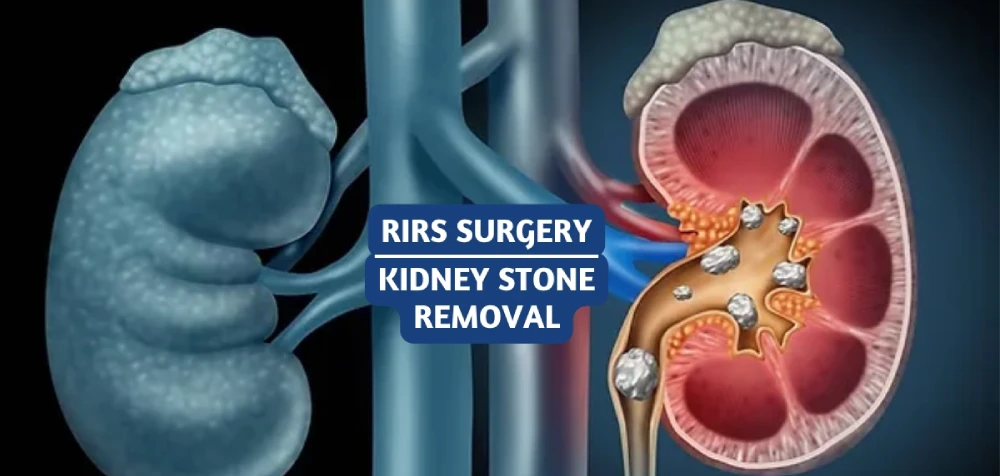
RIRS with laser removal RIRS (Retrograde Intrarenal Surgery) with laser lithotripsy is one of the …
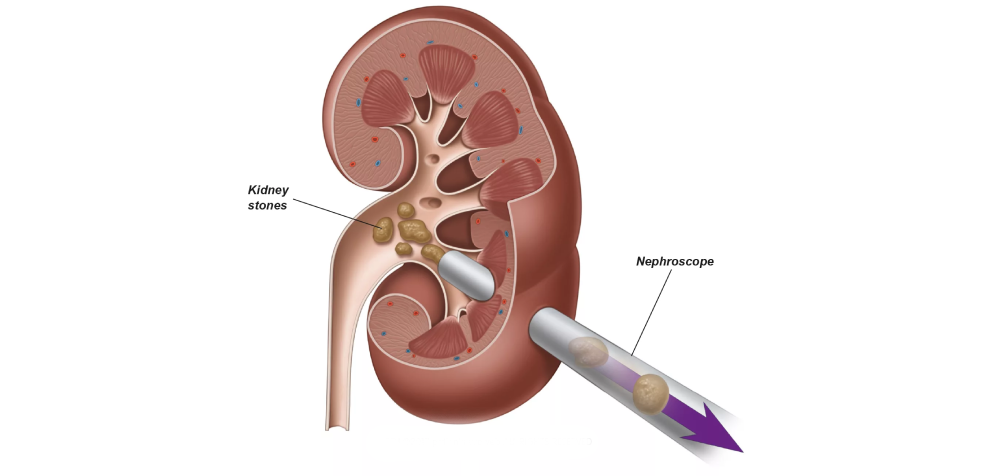
PCNL (Percutaneous Nephrolithotomy) PCNL (Percutaneous Nephrolithotomy) is an advanced, minimally invasive surgical procedure used to …
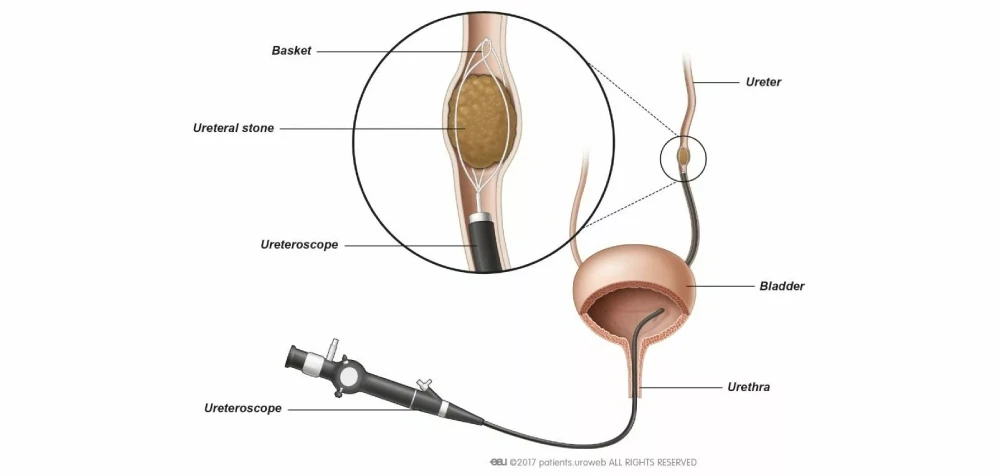
URS with laser removal URS (Ureteroscopy) with laser lithotripsy is a highly effective, minimally invasive …

Dr. Ajinkya Kasekar is a trusted urologist in Mumbai, offering comprehensive care for kidney stones, prostate disorders, urinary infections, incontinence, and reconstructive urology using modern, minimally invasive techniques.