Urinary Problems in Male and Female Patients What Are Urinary Problems? Urinary problems refer to …
An AV Fistula (Arteriovenous Fistula) is the preferred and safest vascular access for patients requiring long-term hemodialysis. It is a minor surgical procedure that connects an artery directly to a vein, allowing reliable blood flow for effective dialysis treatment.
Under the expert care of Dr. Ajinkya Kasekar, AV fistula creation is performed with precision to ensure durability, good blood flow, and fewer complications.
An AV fistula is created by surgically joining:
An artery (high blood flow)
A vein (low pressure vessel)
This connection causes the vein to become larger and stronger over time, making it suitable for repeated dialysis needle insertions.
AV fistula is considered the gold standard access for hemodialysis.
AV fistula is recommended for patients with:
Chronic Kidney Disease (CKD)
End-stage renal disease (ESRD)
Patients planning to start long-term hemodialysis
Patients currently using temporary dialysis catheters
Those requiring a safer, long-lasting dialysis access
Early fistula creation improves dialysis outcomes and reduces complications.
Depending on vein quality and anatomy, Dr. Ajinkya Kasekar may create:
1. Radiocephalic Fistula
Created at the wrist
Preferred first choice due to long-term durability
2. Brachiocephalic Fistula
Created at the elbow
Used when wrist veins are not suitable
3. Brachiobasilic Fistula
Created in the upper arm
Used in selected cases with vein transposition
The type is decided after vein mapping and clinical evaluation.
The procedure is done under local anesthesia.
A small incision is made at the selected site.
An artery and vein are carefully connected.
Blood flow through the vein increases immediately.
The wound is closed with minimal sutures.
Procedure time: 30–60 minutes
Usually performed as a day-care surgery.
After surgery, the fistula needs time to mature.
Maturation period: 4–8 weeks
Vein becomes thicker and stronger
Ready for safe dialysis needle insertion
Patients are guided on fistula exercises to promote proper maturation.
Best long-term dialysis access
Lower risk of infection
Better blood flow for efficient dialysis
Long-lasting compared to catheters or grafts
Fewer complications
Improved dialysis outcomes
Patients are advised to:
Keep the fistula arm clean
Avoid blood pressure checks or injections on that arm
Check daily for vibration (thrill)
Avoid heavy lifting initially
Report pain, swelling, or reduced flow immediately
Proper care ensures long-term fistula success.
Delayed maturation
Narrowing (stenosis)
Clotting (thrombosis)
Infection (rare compared to catheters)
Early follow-up helps prevent major issues.
Expertise in AV fistula creation and vascular access
Careful vein assessment and planning
High success and maturation rates
Focus on long-term dialysis safety
Clear patient education and follow-up care
Compassionate approach for chronic kidney patients
If you are planning for dialysis or have been advised vascular access surgery, an AV fistula is the safest and most reliable option.
Consult Dr. Ajinkya Kasekar for expert evaluation and AV fistula creation.
Urinary Problems in Male and Female Patients What Are Urinary Problems? Urinary problems refer to …
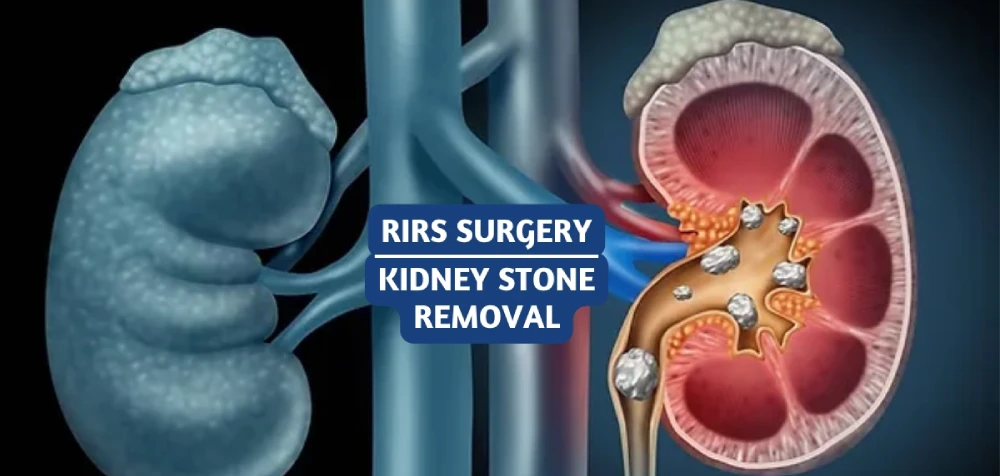
RIRS with laser removal RIRS (Retrograde Intrarenal Surgery) with laser lithotripsy is one of the …
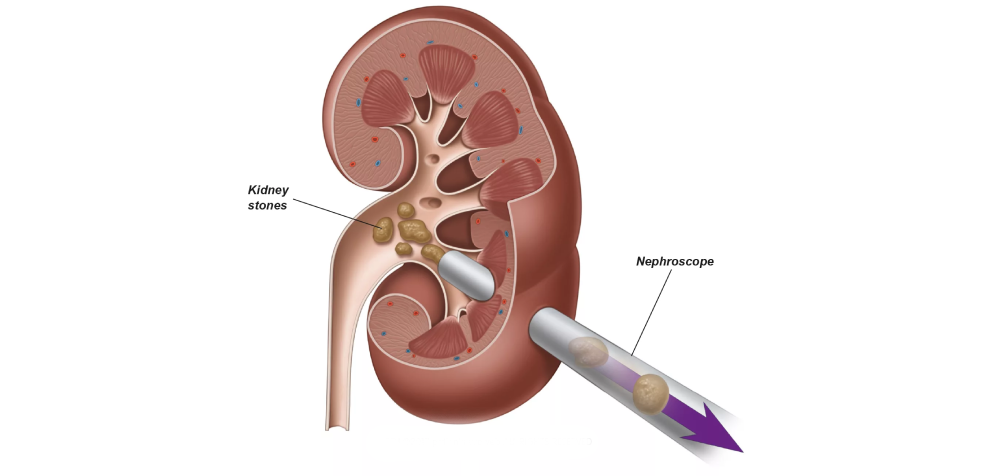
PCNL (Percutaneous Nephrolithotomy) PCNL (Percutaneous Nephrolithotomy) is an advanced, minimally invasive surgical procedure used to …
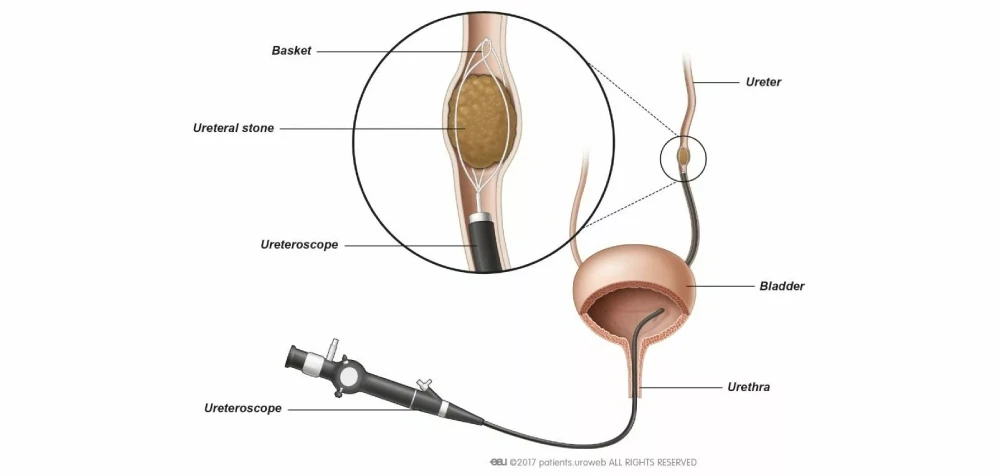
URS with laser removal URS (Ureteroscopy) with laser lithotripsy is a highly effective, minimally invasive …

Dr. Ajinkya Kasekar is a trusted urologist in Mumbai, offering comprehensive care for kidney stones, prostate disorders, urinary infections, incontinence, and reconstructive urology using modern, minimally invasive techniques.