Urinary Problems in Male and Female Patients What Are Urinary Problems? Urinary problems refer to …
DJ stenting, also known as Double J stent placement, is a commonly performed urological procedure used to ensure smooth drainage of urine from the kidney to the bladder. It is often required when the ureter (the tube connecting the kidney and bladder) becomes blocked or narrowed due to stones, swelling, infection, or other conditions.
Under the care of Dr. Ajinkya Kasekar, DJ stenting is performed using safe, minimally invasive techniques to provide quick relief from pain, swelling, and obstruction.
A Double J stent is a thin, flexible tube placed inside the ureter. It is shaped like the letter “J” at both ends to keep it securely in place—one end in the kidney and the other in the bladder.
Its purpose is to:
Maintain urine flow
Relieve obstruction
Protect the ureter during healing
Prevent complications such as infections or kidney damage
DJ stenting is recommended for conditions such as:
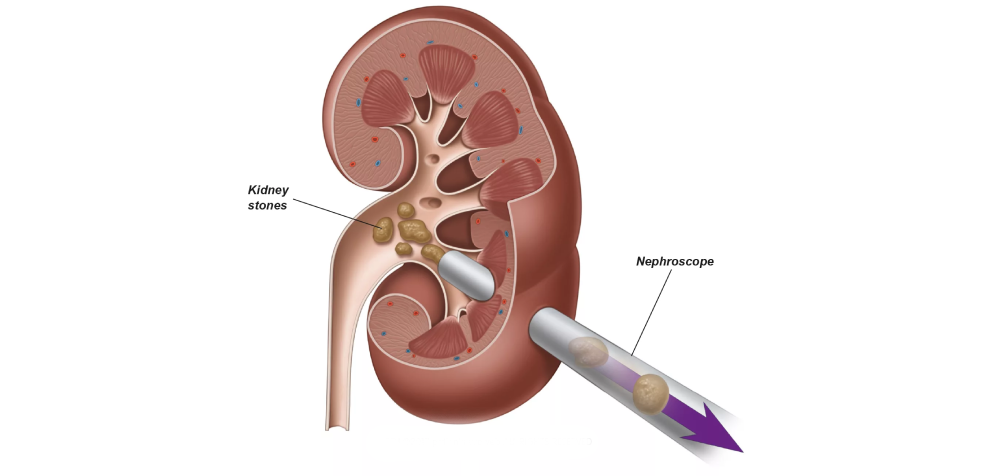
Kidney or ureteric stones causing blockage
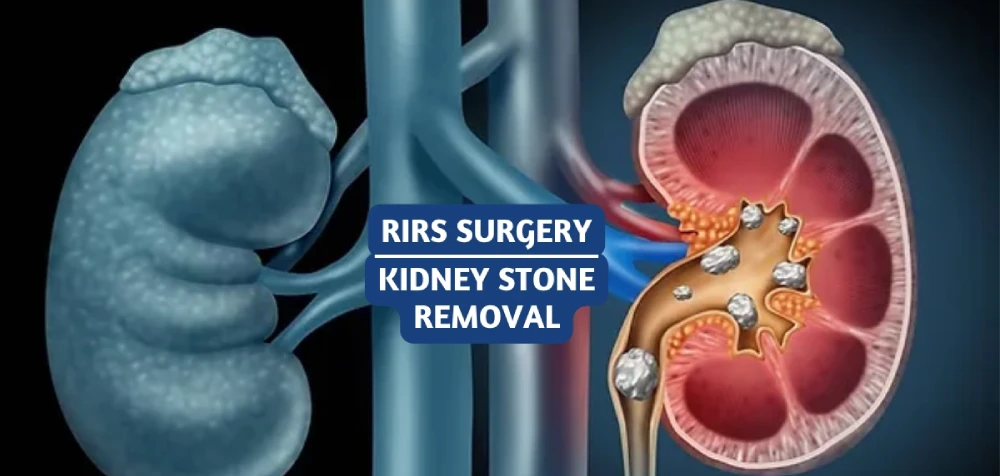
Post-laser stone removal (URS / RIRS)
Ureteric injury or stricture
Severe infections causing swelling of the ureter
During major urological surgeries to help healing
Obstructed urine flow during pregnancy
Tumors compressing the ureter
Immediate relief from pain due to urinary blockage
Protects kidney function
Helps stones pass or prepares for stone surgery
Promotes healing after ureteric procedures
Minimally invasive and fast
Usually done as a day-care procedure
DJ stenting is typically done under local, spinal, or general anesthesia depending on the case.
Dr. Ajinkya Kasekar performs the procedure endoscopically, without any external cuts.
Steps include:
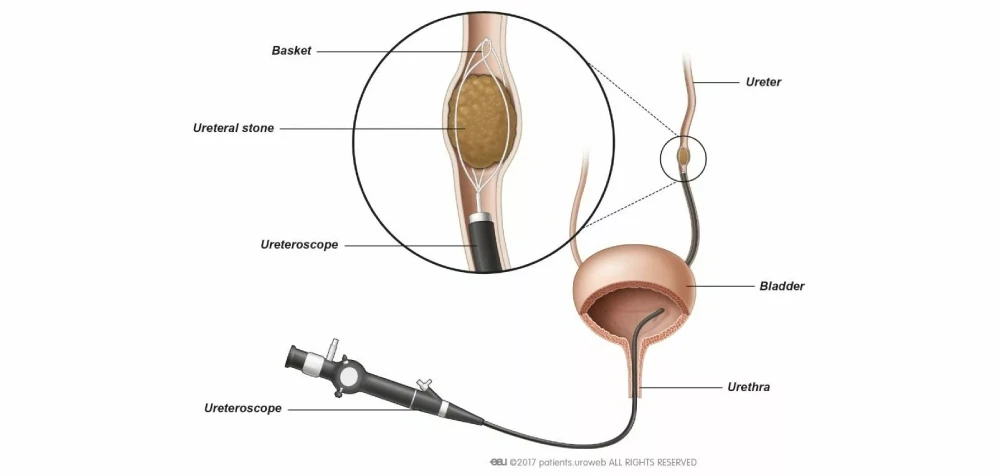
A small scope (cystoscope) is passed through the urethra.
The narrowed or blocked area is identified.
A Double J stent is placed inside the ureter.
Urine flow is restored immediately.
The procedure is quick and usually takes 10–20 minutes.
Most patients go home the same day.
Some temporary symptoms may occur, including:
Mild lower abdominal or back discomfort
Frequent urination
Burning during urination
Slight blood in urine
These usually settle in a few days.
Depending on the condition, the stent may stay for:
2–6 weeks after stone surgery
Up to 3 months for strictures or complex cases
It is important not to miss your follow-up, as stents kept for too long can cause complications.
Removal is a simple outpatient procedure performed via cystoscopy.
It takes only a few minutes and requires no major anesthesia.
Expertise in advanced stone and ureteric surgeries
Safe, minimally invasive technique
Focus on preventing long-term complications
Clear guidance and patient education
Compassionate and ethical care
If you require DJ stenting or are experiencing symptoms of urinary blockage, consult Dr. Ajinkya Kasekar for accurate diagnosis and expert treatment.
Urinary Problems in Male and Female Patients What Are Urinary Problems? Urinary problems refer to …
RIRS with laser removal RIRS (Retrograde Intrarenal Surgery) with laser lithotripsy is one of the …
PCNL (Percutaneous Nephrolithotomy) PCNL (Percutaneous Nephrolithotomy) is an advanced, minimally invasive surgical procedure used to …
URS with laser removal URS (Ureteroscopy) with laser lithotripsy is a highly effective, minimally invasive …

Dr. Ajinkya Kasekar is a trusted urologist in Mumbai, offering comprehensive care for kidney stones, prostate disorders, urinary infections, incontinence, and reconstructive urology using modern, minimally invasive techniques.