Urinary Problems in Male and Female Patients What Are Urinary Problems? Urinary problems refer to …
Recurrent urinary tract infections (UTIs) are a common and distressing condition, especially in women, elderly patients, and individuals with underlying urinary problems. When UTIs keep coming back despite treatment, it often indicates an underlying cause that needs expert evaluation.
Under the care of Dr. Ajinkya Kasekar, recurrent UTIs are managed with a comprehensive, cause-focused approach to provide long-term relief and prevent complications.
A UTI is considered recurrent when a person has:
Two or more UTIs within 6 months, or
Three or more UTIs within one year
Repeated infections should never be ignored, as they may lead to kidney damage if left untreated.
Recurrent UTIs may be caused by:
Incomplete treatment of previous infections
Kidney, ureteric, or bladder stones
Prostate enlargement (in men)
Urinary obstruction or poor bladder emptying
Urethral stricture
Reflux of urine
Diabetes or low immunity
Post-menopausal hormonal changes (in women)
Long-term catheter use
Structural abnormalities of the urinary tract
Burning or pain while passing urine
Frequent urge to urinate
Passing small amounts of urine repeatedly
Cloudy, foul-smelling, or bloody urine
Lower abdominal or pelvic pain
Fever or chills (in severe infections)
Symptoms returning soon after antibiotic treatment
Repeated use of antibiotics without identifying the cause can lead to:
Antibiotic resistance
Persistent symptoms
Kidney infection (pyelonephritis)
Long-term kidney damage
A detailed urological evaluation is essential for permanent relief.
Dr. Ajinkya Kasekar performs a thorough assessment which may include:
Urine routine and culture tests
Ultrasound of kidneys, ureter, and bladder
CT scan (if stones or obstruction are suspected)
Cystoscopy (bladder evaluation)
Prostate evaluation in men
Blood tests to assess diabetes or kidney function
Treatment focuses on eliminating infection and preventing recurrence.
1. Targeted Antibiotic Therapy
Based strictly on urine culture reports
Avoids unnecessary or prolonged antibiotic use
2. Treating the Underlying Cause
Depending on diagnosis:
Stone removal
Prostate treatment
Urethral stricture management
Correction of urinary obstruction or reflux
3. Preventive Measures
Bladder hygiene guidance
Adequate hydration
Timed voiding habits
Preventive medications (if required)
Hormonal support in post-menopausal women (when indicated)
Most patients experience:
Significant reduction in infection frequency
Improved urinary comfort
Better quality of life
Long-term follow-up helps ensure infections do not recur.
You should seek expert care if:
UTIs keep returning
Symptoms persist despite antibiotics
Blood appears in urine
Fever or back pain develops
UTIs interfere with daily life
Early treatment prevents complications.
Expertise in managing complex and recurrent UTIs
Focus on root-cause diagnosis, not just symptom relief
Evidence-based, personalized treatment plans
Advanced diagnostic facilities
Compassionate, patient-centric care
Emphasis on long-term prevention
If you are suffering from repeated urinary infections, timely expert evaluation can prevent long-term kidney problems.
Consult Dr. Ajinkya Kasekar for comprehensive diagnosis and advanced treatment of recurrent UTIs.
Urinary Problems in Male and Female Patients What Are Urinary Problems? Urinary problems refer to …
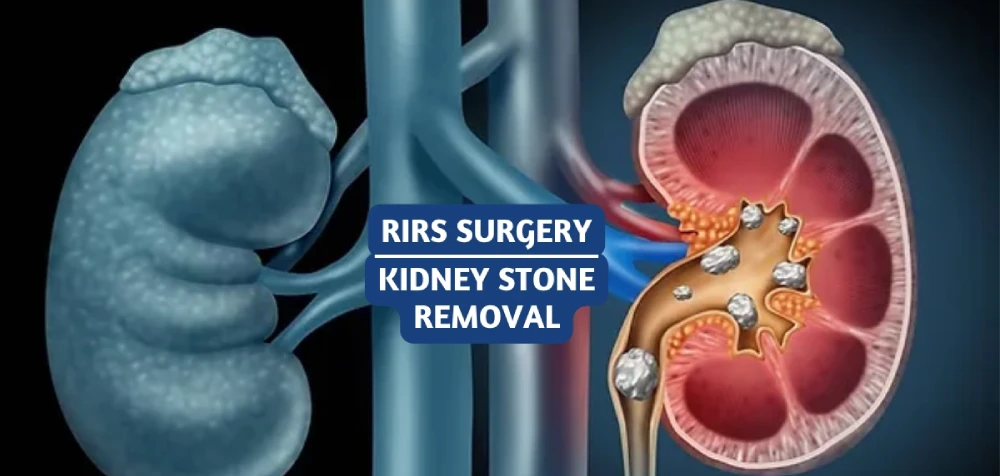
RIRS with laser removal RIRS (Retrograde Intrarenal Surgery) with laser lithotripsy is one of the …
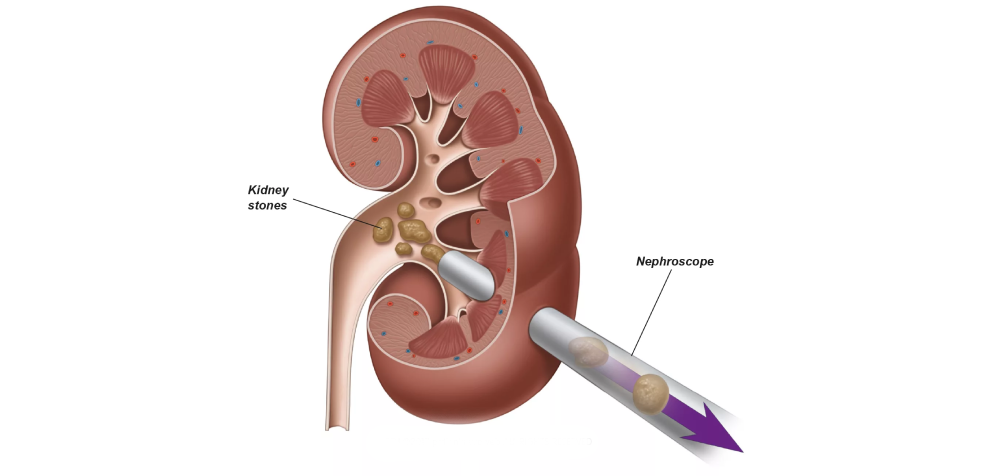
PCNL (Percutaneous Nephrolithotomy) PCNL (Percutaneous Nephrolithotomy) is an advanced, minimally invasive surgical procedure used to …
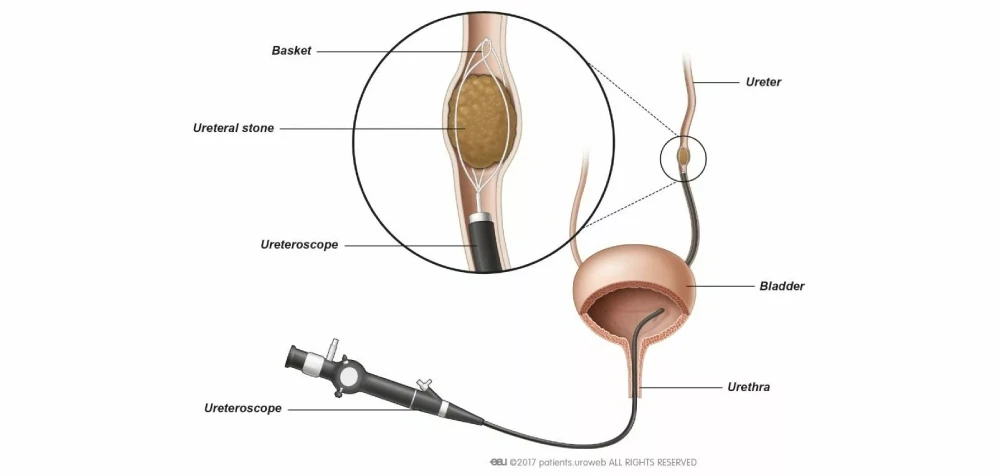
URS with laser removal URS (Ureteroscopy) with laser lithotripsy is a highly effective, minimally invasive …

Dr. Ajinkya Kasekar is a trusted urologist in Mumbai, offering comprehensive care for kidney stones, prostate disorders, urinary infections, incontinence, and reconstructive urology using modern, minimally invasive techniques.