Urinary Problems in Male and Female Patients What Are Urinary Problems? Urinary problems refer to …
Orchidectomy is a surgical procedure to remove one or both testicles. It is performed to treat conditions such as testicular cancer, severe testicular infection, trauma, torsion, or as part of hormonal control in advanced prostate cancer.
Under the expert care of Dr. Ajinkya Kasekar, orchidectomy is performed safely using precise surgical techniques, ensuring minimal discomfort and optimal recovery.
Orchidectomy involves the removal of:
One testis (Unilateral Orchidectomy), or
Both testes (Bilateral Orchidectomy)
The procedure may be required for medical, oncological, or emergency reasons and is often a life-saving or disease-controlling surgery.
Orchidectomy is recommended for:
Testicular cancer
Suspicious or painless testicular swelling
Severe testicular infection not responding to treatment
Testicular torsion with non-viable testis
Traumatic testicular injury
Advanced prostate cancer (hormonal control)
Undescended testis with cancer risk
Early evaluation plays a crucial role in successful outcomes.
Painless lump or swelling in the testis
Sudden severe scrotal pain
Testicular hardening
Heaviness in the scrotum
Fever with scrotal pain
History of trauma with increasing swelling
Any testicular abnormality should be assessed promptly.
Removal of the testis through a small scrotal incision.
Used for infections or hormonal control.
The testis is removed through a groin incision.
Gold-standard treatment for testicular cancer, as it prevents cancer spread.
The surgery is performed under spinal or general anesthesia.
A small incision is made (scrotal or inguinal, depending on indication).
The affected testis is carefully removed.
The incision is closed with sutures.
Surgery usually takes 30–60 minutes.
Most patients:
Are discharged the same day or next day
Resume normal daily activities within 5–7 days
Experience mild swelling or discomfort temporarily
Receive medications for pain and wound care
Follow-up includes pathology review (for cancer cases) and further treatment planning if required.
One testis: Normal sexual function, fertility, and hormone levels are usually maintained
Both testes: Hormone replacement therapy may be required
Testicular prosthesis can be offered for cosmetic reasons (optional)
Dr. Ajinkya Kasekar provides detailed counseling and support post-surgery.
Expertise in testicular and scrotal surgeries
Safe and precise surgical technique
Early cancer detection and management
Compassionate and confidential care
Clear communication and long-term follow-up
Focus on physical and emotional well-being
If you have noticed any testicular swelling, pain, or abnormality, timely evaluation is essential.
Consult Dr. Ajinkya Kasekar for expert diagnosis and safe orchidectomy when indicated.
Urinary Problems in Male and Female Patients What Are Urinary Problems? Urinary problems refer to …
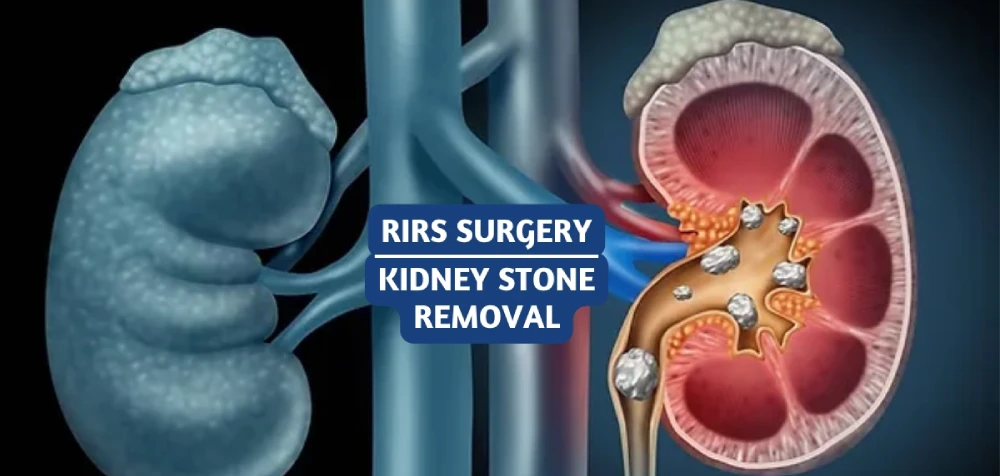
RIRS with laser removal RIRS (Retrograde Intrarenal Surgery) with laser lithotripsy is one of the …
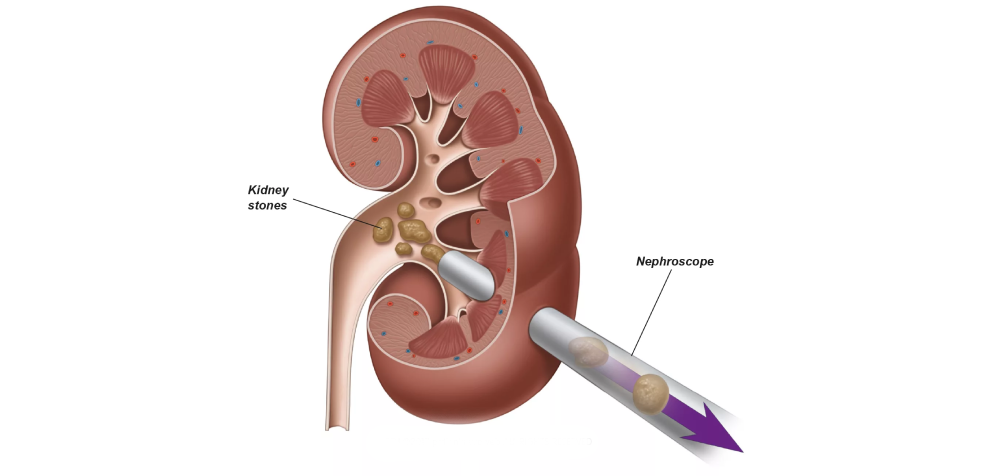
PCNL (Percutaneous Nephrolithotomy) PCNL (Percutaneous Nephrolithotomy) is an advanced, minimally invasive surgical procedure used to …
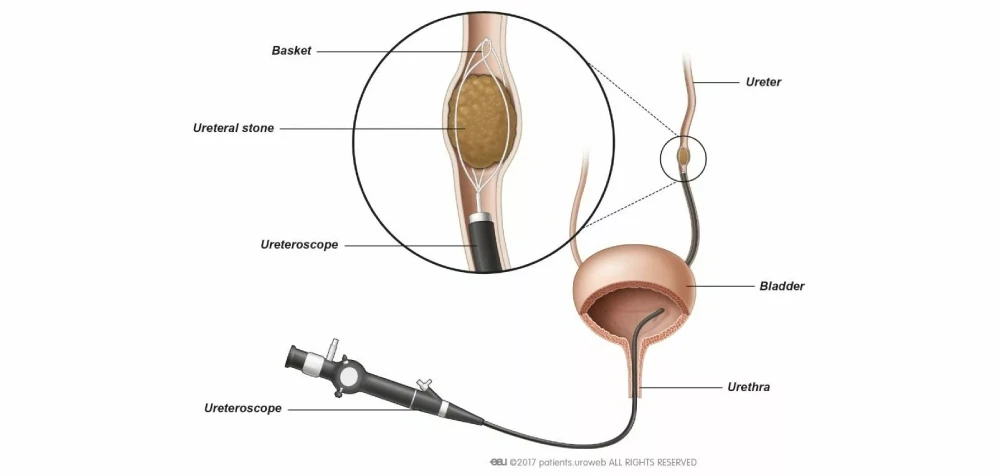
URS with laser removal URS (Ureteroscopy) with laser lithotripsy is a highly effective, minimally invasive …

Dr. Ajinkya Kasekar is a trusted urologist in Mumbai, offering comprehensive care for kidney stones, prostate disorders, urinary infections, incontinence, and reconstructive urology using modern, minimally invasive techniques.