Urinary Problems in Male and Female Patients What Are Urinary Problems? Urinary problems refer to …
Endoscopy in urology is a minimally invasive procedure that allows the doctor to examine and treat conditions inside the urinary tract using a thin, flexible instrument called an endoscope. This technique helps diagnose and treat problems of the urethra, bladder, ureter, and kidney without any external cuts.
Under the expertise of Dr. Ajinkya Kasekar, endoscopic procedures are performed with precision and modern technology to ensure accurate diagnosis, quick treatment, and faster recovery.
Endoscopy involves inserting a small camera-equipped instrument through the natural urinary passage.
It allows:
Direct visualization of the urinary tract
Identification of stones, strictures, tumors, infections, or abnormalities
Performing treatments using laser or small instruments
Endoscopy is the foundation of advanced urology and is used for both diagnosis and treatment.
1. Cystoscopy
Used to examine:
Urethra
Bladder
Helps diagnose infections, tumors, stones, and blockages.
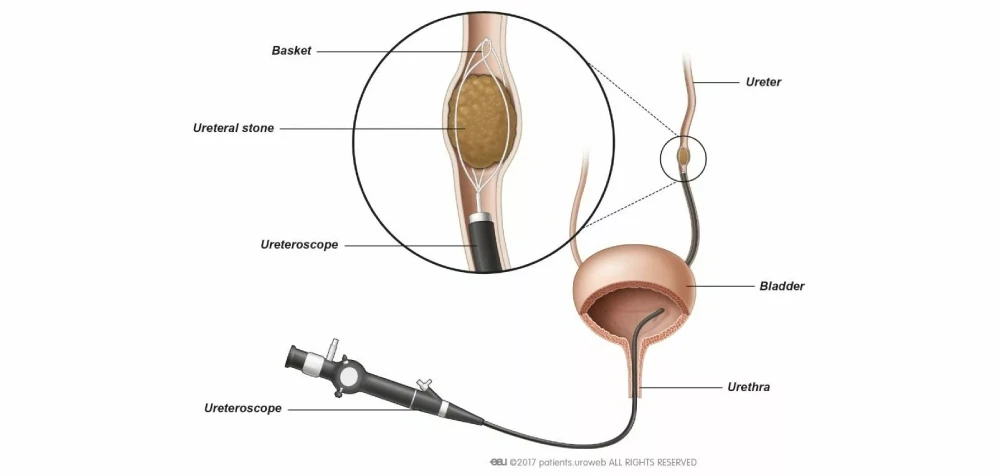
2. Ureteroscopy (URS)
Used to examine:
Ureter
Kidney pelvis
Often combined with laser stone removal.
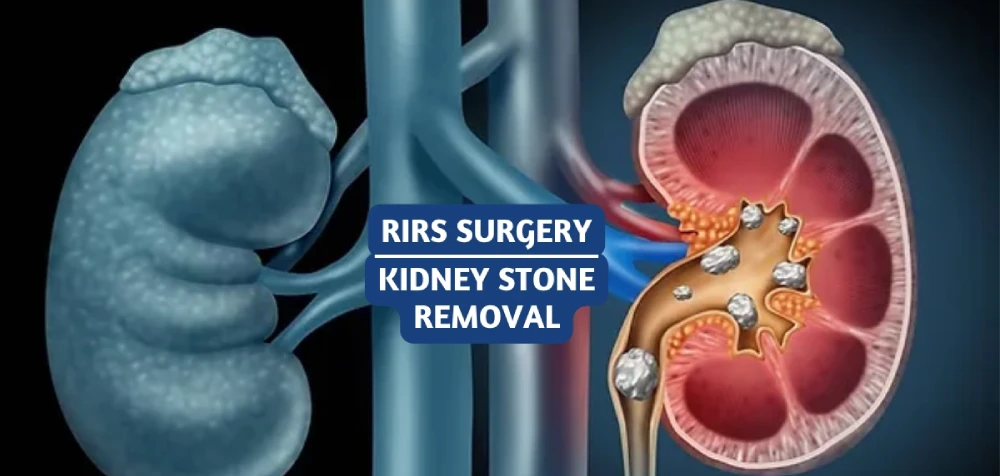
3. RIRS (Retrograde Intrarenal Surgery)
Advanced endoscopy performed inside the kidney using a flexible scope.
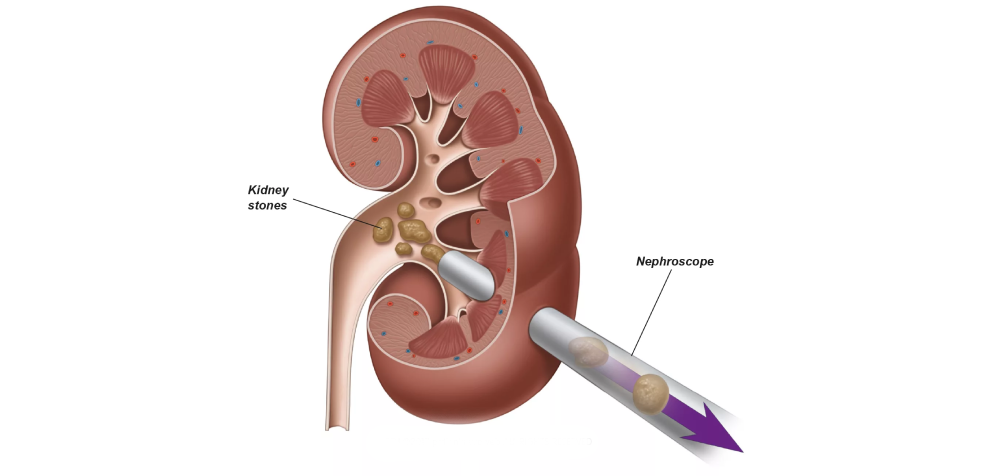
4. Endoscopic Stone Removal
Laser or pneumatic techniques to break and remove stones without cuts.
Kidney stones
Ureteric stones
Bladder stones
Prostate enlargement (diagnostic evaluation)
Urethral strictures
Bladder tumors
Recurrent urinary infections
Hematuria (blood in urine)
Blockages or narrowing in the urinary tract
No cuts, no stitches
Minimal pain
Short hospital stay
Quick recovery
Highly accurate diagnosis
Effective treatment for most urinary stones
Safe for seniors and high-risk patients
A thin endoscope is passed through the urethra.
The urinary tract is visualized on a high-definition monitor.
If needed, laser, forceps, or special tools are used to treat the issue.
The procedure is typically completed within 10–60 minutes, depending on the purpose.
Most endoscopic procedures are performed under local, spinal, or general anesthesia for patient comfort.
Most patients can:
Go home the same day
Resume normal activities within 24–48 hours
Experience mild burning or frequency temporarily
Follow simple post-care instructions
Specific recovery steps depend on the procedure performed.
Expertise in advanced endoscopic and laser urology
Modern equipment for precise diagnosis and treatment
High success rate with minimal complications
Gentle, patient-focused approach
Experience in managing complex urinary tract conditions
If you require diagnostic evaluation or advanced treatment for urinary problems, endoscopy offers a safe, effective, and minimally invasive solution.
Consult Dr. Ajinkya Kasekar for expert guidance and modern urology care.
Urinary Problems in Male and Female Patients What Are Urinary Problems? Urinary problems refer to …
RIRS with laser removal RIRS (Retrograde Intrarenal Surgery) with laser lithotripsy is one of the …
PCNL (Percutaneous Nephrolithotomy) PCNL (Percutaneous Nephrolithotomy) is an advanced, minimally invasive surgical procedure used to …
URS with laser removal URS (Ureteroscopy) with laser lithotripsy is a highly effective, minimally invasive …

Dr. Ajinkya Kasekar is a trusted urologist in Mumbai, offering comprehensive care for kidney stones, prostate disorders, urinary infections, incontinence, and reconstructive urology using modern, minimally invasive techniques.