Urinary Problems in Male and Female Patients What Are Urinary Problems? Urinary problems refer to …
A kidney transplant is the most effective and long-term treatment for patients suffering from advanced or end-stage chronic kidney disease (CKD). It involves replacing a failed kidney with a healthy kidney from a suitable donor, restoring normal kidney function and significantly improving quality of life.
Under the expert guidance of Dr. Ajinkya Kasekar, kidney transplant patients receive comprehensive evaluation, surgical care, and long-term follow-up as part of a coordinated transplant program.
Chronic Kidney Disease is a gradual and irreversible loss of kidney function over time. When kidney function drops below a critical level, it progresses to End-Stage Renal Disease (ESRD), where the kidneys can no longer sustain life without dialysis or transplantation.
A kidney transplant is advised when:
Kidney function falls below 15% (ESRD)
Long-term dialysis is required or anticipated
Dialysis-related complications affect quality of life
The patient is medically fit for transplantation
A suitable living or deceased donor is available
Compared to lifelong dialysis, transplantation offers better survival, freedom, and overall health outcomes.
Improved life expectancy
Better quality of life
No dependence on dialysis machines
Fewer dietary and fluid restrictions
Improved energy levels and physical health
Better control of blood pressure and anemia
More freedom for work, travel, and daily life
1. Living Donor Kidney Transplant
A kidney is donated by a healthy living person (family member or compatible donor).
Advantages:
Better long-term success rates
Shorter waiting time
Planned surgery
Faster recovery
2. Deceased Donor Kidney Transplant
A kidney is obtained from a brain-dead donor and allocated through an authorized transplant network.
Advantages:
Option when living donor is unavailable
Life-saving for many ESRD patients
Both recipient and donor undergo detailed evaluation, including:
Blood tests and tissue matching
Kidney function tests
Cardiac and pulmonary fitness tests
Imaging studies
Infection screening
Psychological and nutritional assessment
This ensures maximum safety and long-term transplant success.
The donor kidney is placed in the lower abdomen.
Blood vessels are connected to restore circulation.
The ureter is connected to the bladder.
The patient’s own failed kidneys are usually left in place unless medically necessary to remove.
Surgery duration: 3–4 hours
Most patients:
Stay in hospital for 7–10 days
Show improvement in kidney function within days
Resume normal activities gradually over 4–6 weeks
Require lifelong medications to prevent rejection
Need regular follow-ups and blood tests
With proper care, transplanted kidneys can function well for many years.
Post-transplant life includes:
Taking immunosuppressive medicines regularly
Regular medical follow-up
Healthy diet and lifestyle
Infection precautions
Excellent long-term quality of life
Most patients return to work, travel freely, and live near-normal lives.
Expertise in kidney failure and transplant-related urology care
Involvement in complete transplant evaluation and planning
Coordination with nephrology and transplant surgery teams
Focus on long-term kidney health and patient safety
Clear counseling for patients and families
Compassionate, ethical, patient-centric approach
CKD Stage 4 or 5 patients
Patients starting dialysis
Patients struggling with dialysis complications
Families exploring living donor options
Early planning improves outcomes significantly.
If you or a loved one is living with chronic kidney disease, a kidney transplant may offer the best chance at a healthier and more independent life.
Consult Dr. Ajinkya Kasekar for expert guidance, evaluation, and transplant care planning.
Urinary Problems in Male and Female Patients What Are Urinary Problems? Urinary problems refer to …
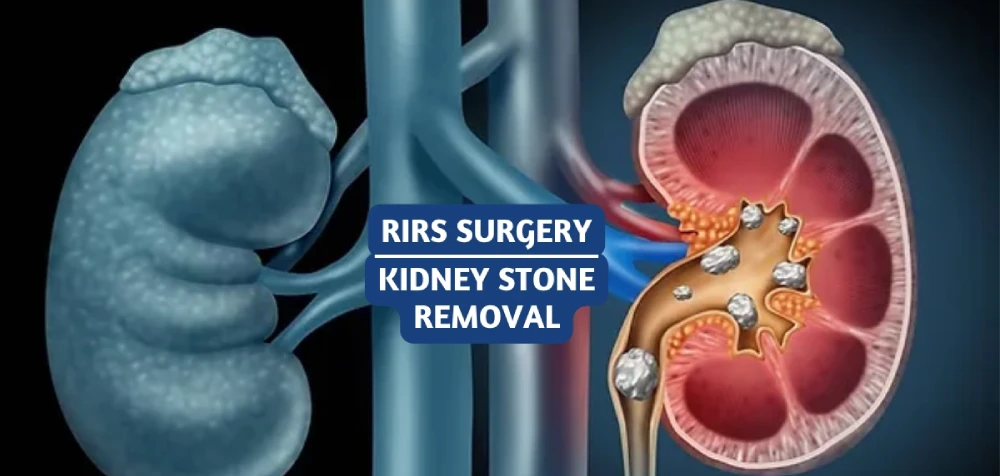
RIRS with laser removal RIRS (Retrograde Intrarenal Surgery) with laser lithotripsy is one of the …
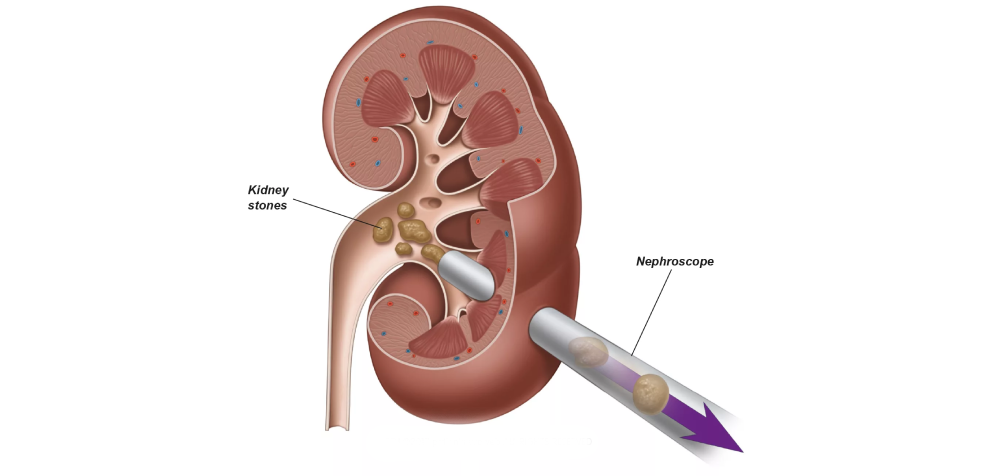
PCNL (Percutaneous Nephrolithotomy) PCNL (Percutaneous Nephrolithotomy) is an advanced, minimally invasive surgical procedure used to …
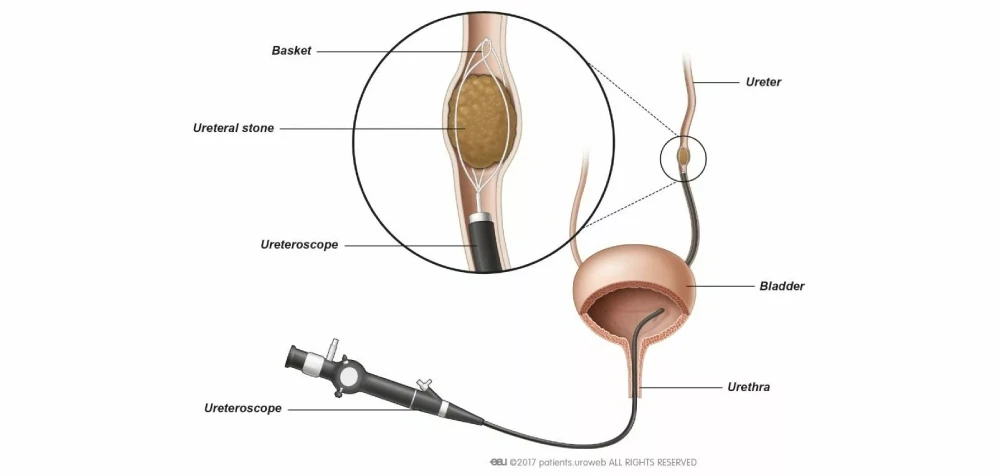
URS with laser removal URS (Ureteroscopy) with laser lithotripsy is a highly effective, minimally invasive …

Dr. Ajinkya Kasekar is a trusted urologist in Mumbai, offering comprehensive care for kidney stones, prostate disorders, urinary infections, incontinence, and reconstructive urology using modern, minimally invasive techniques.