Urinary Problems in Male and Female Patients What Are Urinary Problems? Urinary problems refer to …
A ureteric stricture is a condition where the ureter—the tube carrying urine from the kidney to the bladder—becomes narrowed due to scarring or injury. This narrowing blocks urine flow, leading to pain, infections, swelling of the kidney (hydronephrosis), and long-term kidney damage if untreated.
Under the expert care of Dr. Ajinkya Kasekar, ureteric strictures are diagnosed accurately and treated using advanced endoscopic, laparoscopic, and reconstructive techniques for long-lasting relief.
Common causes include:
Previous stone surgeries (URS, RIRS, PCNL)
Impacted ureteric stones
Infections
Trauma or injury
Radiation therapy
Congenital abnormalities
Tumors or external compression
Scar tissue formation from prior procedures
Sometimes, the cause may remain unknown.
Persistent flank or abdominal pain
Recurrent urinary tract infections
Difficulty or pain while passing urine
Blood in urine
Fever or chills (if infection is present)
Hydronephrosis on ultrasound
Decline in kidney function
To confirm the stricture and assess its severity, Dr. Ajinkya Kasekar may advise:
Ultrasound
CT scan
MR urography
Diuretic renogram (to assess kidney function & drainage)
Retrograde pyelography (RGP)
Ureteroscopy (as needed)
Accurate diagnosis is crucial to selecting the right treatment.
Treatment depends on the location, length, severity of narrowing, and kidney function.
Dr. Ajinkya Kasekar offers all modern options:
1. Endoscopic Treatment
Balloon Dilatation
A balloon is inserted and inflated to widen the narrowed segment.
Useful for short, early strictures.
Endoscopic Incision (Endoureterotomy)
A laser or cold knife is used to cut open the stricture internally.
A DJ stent is kept for healing.
2. DJ Stent Placement
Relieves obstruction and improves urine flow temporarily.
Used for initial management, infection control, or mild strictures.
3. Laparoscopic / Robotic Ureteric Reconstruction
For long, recurrent, or complex strictures.
Options include:
Ureteral Reimplantation
Reattaching the ureter to the bladder.
Ureteroureterostomy
Removing the diseased segment and joining healthy ends.
Psoas Hitch / Boari Flap
Used when a long portion of the lower ureter needs reconstruction.
These techniques provide long-term cure and excellent functional results.
4. Open Reconstructive Surgery
Used in rare complex cases where minimally invasive methods are not feasible.
Relieves pain
Prevents recurrent infections
Protects kidney function
Improves urinary drainage
Prevents long-term kidney damage
Most patients:
Stay in the hospital for 1–3 days (depending on procedure)
Return to routine activities in 1–2 weeks for minimally invasive surgeries
Require DJ stent removal after 4–6 weeks
Undergo follow-up imaging to confirm proper healing
Expertise in complex ureteric reconstructive surgeries
Advanced laser and laparoscopic techniques
High success rates with minimal complications
Detailed evaluation and customized treatment plan
Patient-first, compassionate care
Strong experience with both simple and challenging stricture cases
If you are experiencing symptoms of ureteric obstruction or have been diagnosed with a ureteric stricture, early treatment is essential to protect your kidney.
Consult Dr. Ajinkya Kasekar for accurate diagnosis and advanced ureteric stricture management.
Urinary Problems in Male and Female Patients What Are Urinary Problems? Urinary problems refer to …
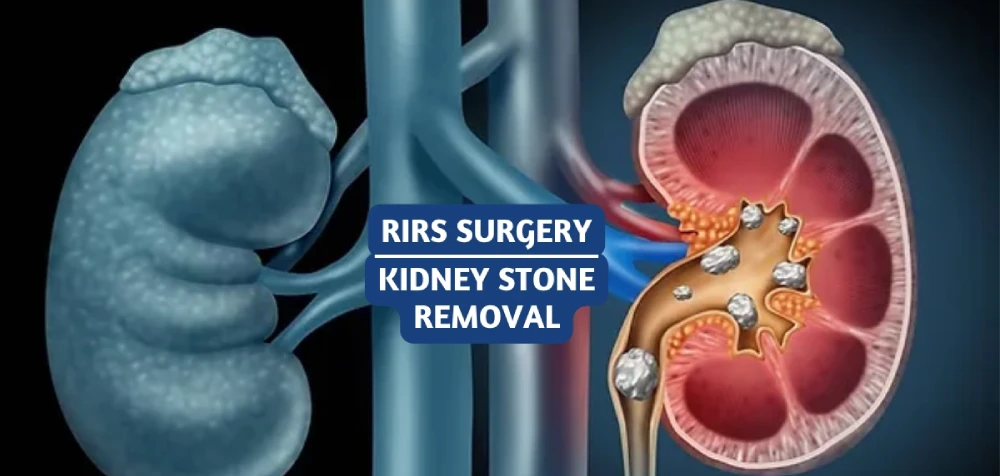
RIRS with laser removal RIRS (Retrograde Intrarenal Surgery) with laser lithotripsy is one of the …
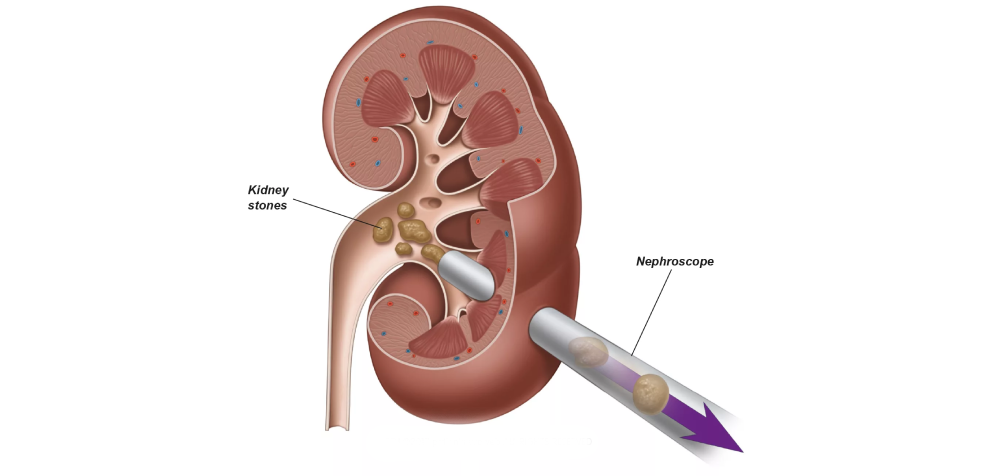
PCNL (Percutaneous Nephrolithotomy) PCNL (Percutaneous Nephrolithotomy) is an advanced, minimally invasive surgical procedure used to …
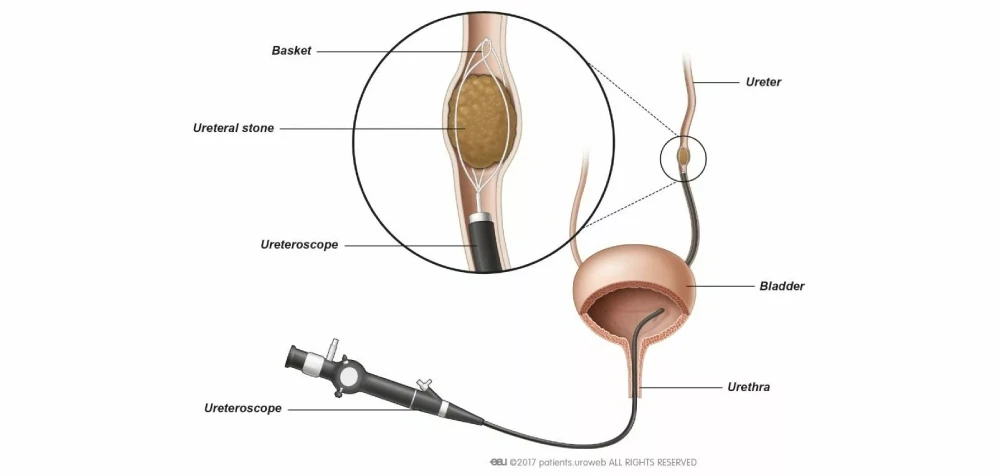
URS with laser removal URS (Ureteroscopy) with laser lithotripsy is a highly effective, minimally invasive …

Dr. Ajinkya Kasekar is a trusted urologist in Mumbai, offering comprehensive care for kidney stones, prostate disorders, urinary infections, incontinence, and reconstructive urology using modern, minimally invasive techniques.