Urinary Problems in Male and Female Patients What Are Urinary Problems? Urinary problems refer to …
Phimosis is a condition in which the foreskin of the penis cannot be pulled back over the head (glans). While mild phimosis is common in young children, persistent or severe phimosis in older children, adolescents, or adults can cause pain, infections, and difficulty with urination or hygiene.
Circumcision is a safe and definitive treatment for phimosis, providing long-term relief and preventing recurrent problems. Under the care of Dr. Ajinkya Kasekar, circumcision is performed using modern, minimally invasive techniques with excellent cosmetic and functional outcomes.
Phimosis occurs when the foreskin becomes tight due to:
Recurrent infections
Poor hygiene
Scarring or inflammation
Diabetes (in adults)
Forceful retraction of foreskin
Congenital tight foreskin
If untreated, phimosis can worsen and lead to complications.
Tight foreskin that cannot be retracted
Pain or discomfort during urination
Ballooning of foreskin while passing urine
Recurrent infections of the foreskin (balanitis)
Pain during erections
Redness, swelling, or discharge
Difficulty maintaining proper hygiene
Circumcision is advised when:
Phimosis is severe or persistent
Recurrent foreskin infections occur
Painful erections affect daily life
Urinary obstruction or ballooning is present
Conservative treatments fail
There is risk of complications such as paraphimosis
Circumcision is a minor surgical procedure in which the tight foreskin is removed, exposing the glans permanently.
It provides a permanent solution for phimosis and significantly improves hygiene and comfort.
Dr. Ajinkya Kasekar offers modern and safe techniques, including:
Conventional surgical circumcision
Stapler circumcision (where suitable)
Laser-assisted circumcision (selected cases)
The choice depends on age, anatomy, and patient preference.
Circumcision is done under local or short anesthesia.
The tight foreskin is carefully removed.
Bleeding is controlled meticulously.
The wound is closed using absorbable sutures or stapler.
Procedure time: 20–30 minutes
Hospital stay: Day-care procedure
Permanent cure for phimosis
Improved hygiene
Reduced risk of infections
Pain-free urination and erections
Quick recovery
Excellent cosmetic result
Most patients:
Go home the same day
Resume routine activities in 3–5 days
Experience mild swelling for a few days
Heal completely within 2–3 weeks
Dr. Ajinkya Kasekar provides detailed post-procedure care instructions for smooth healing.
Circumcision is commonly performed in children with:
Persistent phimosis
Recurrent foreskin infections
Urinary problems
The procedure is safe, quick, and well-tolerated when done by an experienced urologist.
Expertise in adult and pediatric circumcision
Safe, minimally invasive techniques
Focus on comfort and cosmetic outcomes
Clear explanation and counseling
Compassionate handling of sensitive conditions
Excellent postoperative care and follow-up
Consult a urologist if:
The foreskin cannot be retracted after childhood
There is pain, infection, or swelling
Urination is affected
Symptoms are worsening
Early treatment prevents complications.
If phimosis is causing discomfort or repeated infections, circumcision offers a safe and permanent solution.
Consult Dr. Ajinkya Kasekar for expert evaluation and modern circumcision treatment.
Urinary Problems in Male and Female Patients What Are Urinary Problems? Urinary problems refer to …
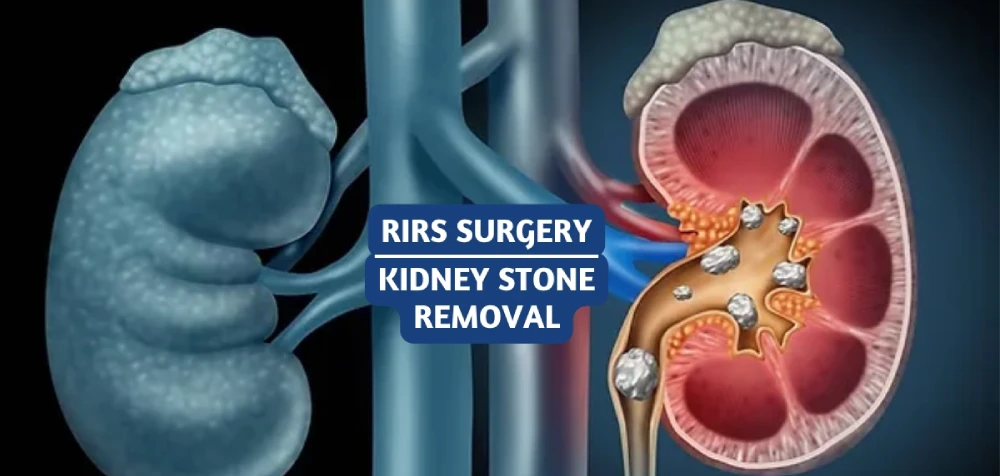
RIRS with laser removal RIRS (Retrograde Intrarenal Surgery) with laser lithotripsy is one of the …
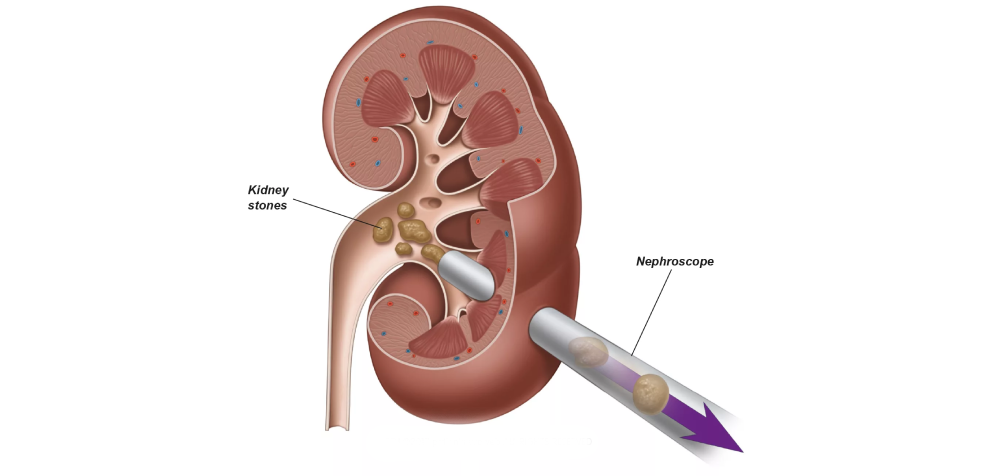
PCNL (Percutaneous Nephrolithotomy) PCNL (Percutaneous Nephrolithotomy) is an advanced, minimally invasive surgical procedure used to …
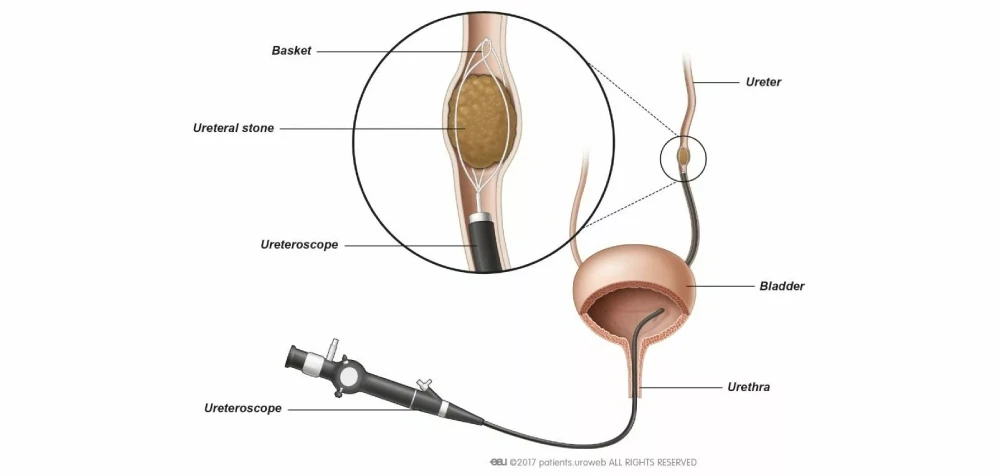
URS with laser removal URS (Ureteroscopy) with laser lithotripsy is a highly effective, minimally invasive …

Dr. Ajinkya Kasekar is a trusted urologist in Mumbai, offering comprehensive care for kidney stones, prostate disorders, urinary infections, incontinence, and reconstructive urology using modern, minimally invasive techniques.