Urinary Problems in Male and Female Patients What Are Urinary Problems? Urinary problems refer to …
Robotic prostatectomy is a highly advanced, minimally invasive surgical procedure used to treat prostate cancer by removing the prostate gland with the help of robotic-assisted technology.
Using the precision of robotic systems, Dr. Ajinkya Kasekar performs this procedure with exceptional accuracy, offering faster recovery, minimal pain, and better functional outcomes compared to traditional open surgery.
Robotic prostatectomy is performed using a robotic surgical system controlled by the surgeon.
The robotic arms provide:
High-definition 3D vision
Tremor-free precision
Greater flexibility than the human hand
Extremely fine movements for delicate tissues
This enables precise removal of the prostate while preserving surrounding nerves and structures.
It is recommended for men diagnosed with:
Localized prostate cancer
Early-stage prostate cancer suitable for surgical removal
Cases where radiation or other treatments are not preferred
Men seeking faster recovery with minimal complications
Robotic-assisted surgery offers significant benefits over open or conventional laparoscopic surgery:
Smaller incisions & minimal scars
Less blood loss
Reduced pain after surgery
Shorter hospital stay
Faster return to routine activities
Better preservation of urinary continence
Improved chances of erectile function recovery
Highly precise cancer removal
Several tiny incisions are made in the abdomen.
Robotic instruments and a 3D camera are inserted.
Dr. Ajinkya Kasekar controls the robotic system from a console.
The prostate gland is carefully removed with high precision.
Surrounding nerves vital for continence and sexual function are preserved whenever possible.
The urinary tract is reconstructed, and the incisions are closed.
Average surgery time: 2–3 hours.
Most patients experience:
Hospital stay of 1–2 days
Catheter removal after 7–10 days
Return to routine work in 2–3 weeks
Minimal postoperative discomfort
Rapid improvement in urinary control
Gradual recovery of sexual function (varies by patient)
Regular follow-up ensures complete healing and monitoring of cancer markers (PSA).
Mild urinary leakage
Temporary erectile dysfunction
Minor pain at incision sites
With robotic precision and nerve-sparing techniques, these risks are significantly reduced.
Expertise in modern prostate cancer surgery
Gentle, nerve-sparing approach
Focus on minimizing side effects
Access to advanced robotic surgical systems
Comprehensive pre- and post-operative support
Patient-first communication and care
Robotic prostatectomy is advised when:
Cancer is confined to the prostate
Life expectancy is good
The goal is complete cancer removal
You prefer a minimally invasive option with faster recovery
Early evaluation ensures better outcomes.
If you have been diagnosed with prostate cancer, robotic prostatectomy may offer the safest and most effective treatment option.
Consult Dr. Ajinkya Kasekar for expert guidance and personalized care.
Urinary Problems in Male and Female Patients What Are Urinary Problems? Urinary problems refer to …
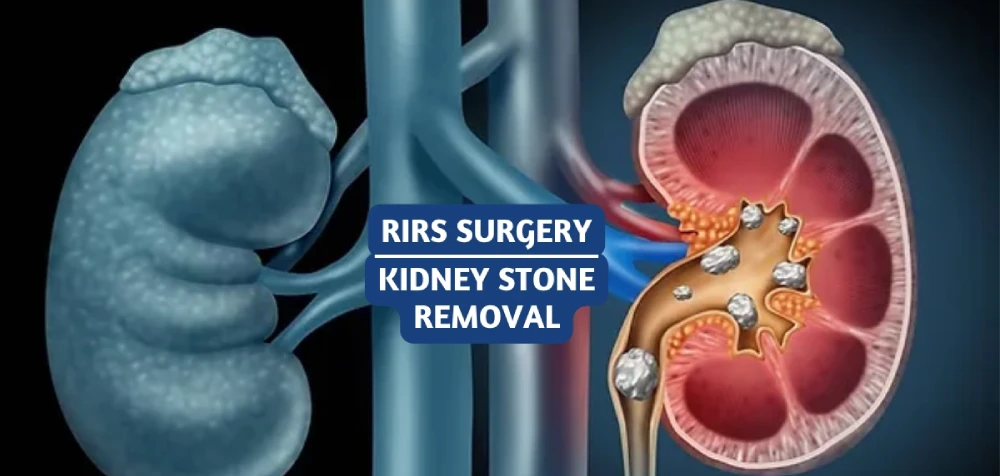
RIRS with laser removal RIRS (Retrograde Intrarenal Surgery) with laser lithotripsy is one of the …
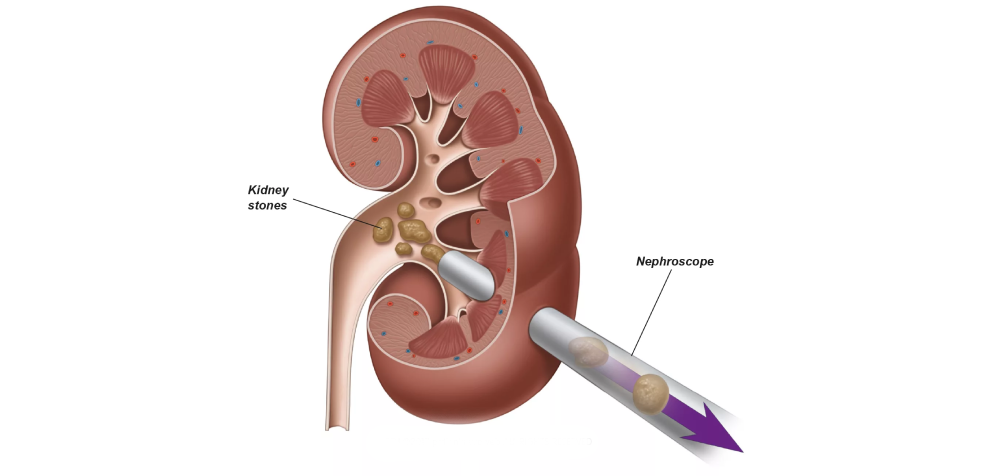
PCNL (Percutaneous Nephrolithotomy) PCNL (Percutaneous Nephrolithotomy) is an advanced, minimally invasive surgical procedure used to …
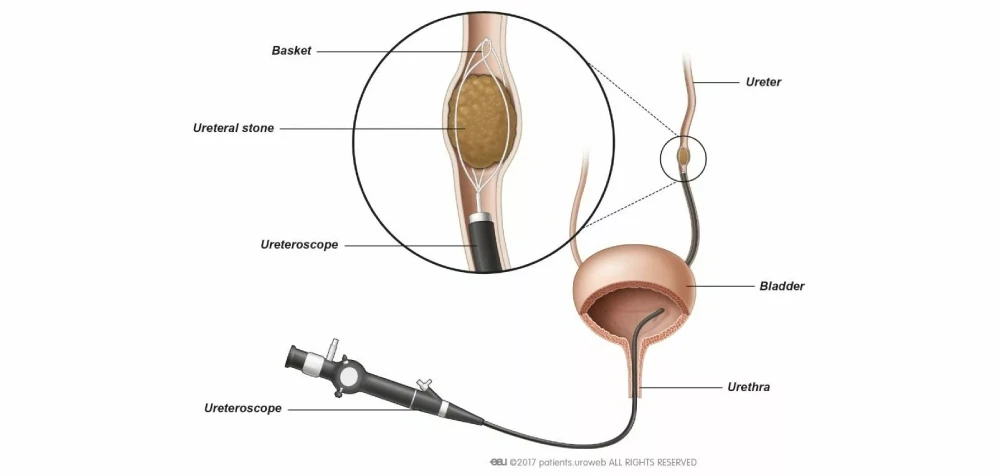
URS with laser removal URS (Ureteroscopy) with laser lithotripsy is a highly effective, minimally invasive …

Dr. Ajinkya Kasekar is a trusted urologist in Mumbai, offering comprehensive care for kidney stones, prostate disorders, urinary infections, incontinence, and reconstructive urology using modern, minimally invasive techniques.