Urinary Problems in Male and Female Patients What Are Urinary Problems? Urinary problems refer to …
A hydrocele is a painless swelling of the scrotum caused by the accumulation of fluid around the testicle. While hydroceles are usually not dangerous, they can cause discomfort, heaviness, cosmetic concern, and may gradually increase in size.
Hydrocele surgery offers a safe and permanent solution, restoring comfort and normal scrotal appearance.
Under the expert care of Dr. Ajinkya Kasekar, hydrocele surgery is performed using precise and minimally invasive techniques for quick recovery and excellent results.
A hydrocele occurs when fluid collects in the thin sac (tunica vaginalis) surrounding the testicle.
It can affect infants, children, and adult men.
1. Congenital Hydrocele
Present at birth
Common in infants
May resolve on its own in early life
2. Acquired Hydrocele
Occurs in adolescents or adults
Caused by infection, injury, inflammation, or aging
Usually requires surgical treatment
Painless scrotal swelling
Feeling of heaviness in the scrotum
Discomfort while walking or sitting
Increase in swelling over time
Cosmetic concern
Pain or fever suggests infection and needs immediate evaluation.
Surgery is advised when:
Hydrocele persists or increases in size
Discomfort or heaviness affects daily life
Cosmetic concerns are significant
Infection or complications develop
Hydrocele occurs in adults
Pediatric hydrocele does not resolve naturally
Hydrocele surgery, also known as hydrocelectomy, involves removing or correcting the fluid-filled sac around the testicle to prevent recurrence.
It is the definitive and permanent treatment for hydrocele.
Surgery is done under spinal or general anesthesia.
A small incision is made in the scrotum or groin (depending on type).
The fluid is drained, and the sac is excised or everted.
The incision is closed with absorbable sutures.
Procedure time: 30–60 minutes
Hospital stay: Day-care or 1-day admission
Permanent cure
Relief from heaviness and discomfort
Improved scrotal appearance
Low recurrence rate
Safe and effective procedure
Quick recovery
Most patients:
Go home the same day or next day
Resume routine activities in 5–7 days
Avoid strenuous activity for 2–3 weeks
Experience mild swelling initially, which settles gradually
Supportive care and follow-up ensure smooth healing.
Temporary swelling or bruising
Infection (rare)
Bleeding or fluid collection
Very low recurrence rate
With expert surgical technique, complications are uncommon.
In children, hydrocele surgery is:
Safe and well-tolerated
Performed through a small groin incision
Important to prevent hernia or future complications
Expertise in adult and pediatric scrotal surgeries
Precision-based surgical approach
High success and low complication rates
Clear explanation and counseling
Compassionate, patient-first care
Excellent postoperative support
Consult a urologist if:
Scrotal swelling is increasing
There is discomfort or heaviness
Swelling persists for months
There is pain, redness, or fever
Early evaluation ensures proper treatment.
If you have scrotal swelling or have been diagnosed with a hydrocele, surgery offers a safe and permanent solution.
Consult Dr. Ajinkya Kasekar for expert evaluation and hydrocele surgery.
Urinary Problems in Male and Female Patients What Are Urinary Problems? Urinary problems refer to …
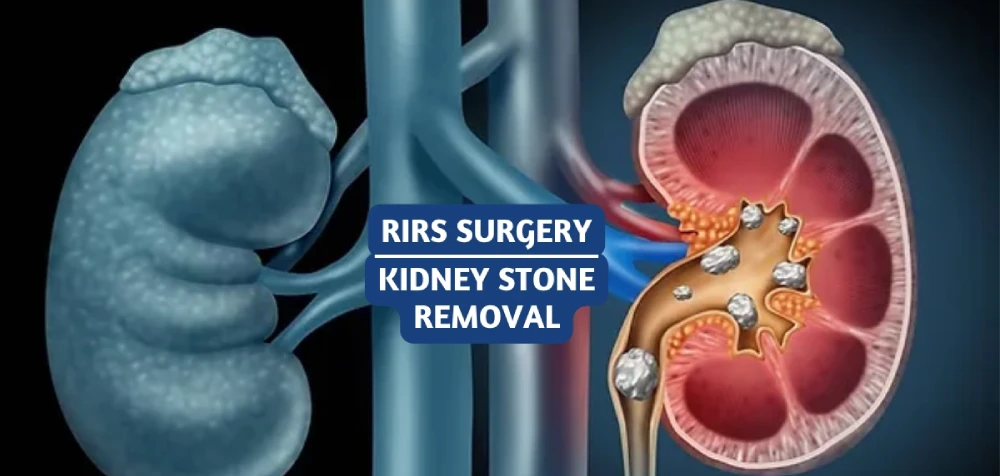
RIRS with laser removal RIRS (Retrograde Intrarenal Surgery) with laser lithotripsy is one of the …
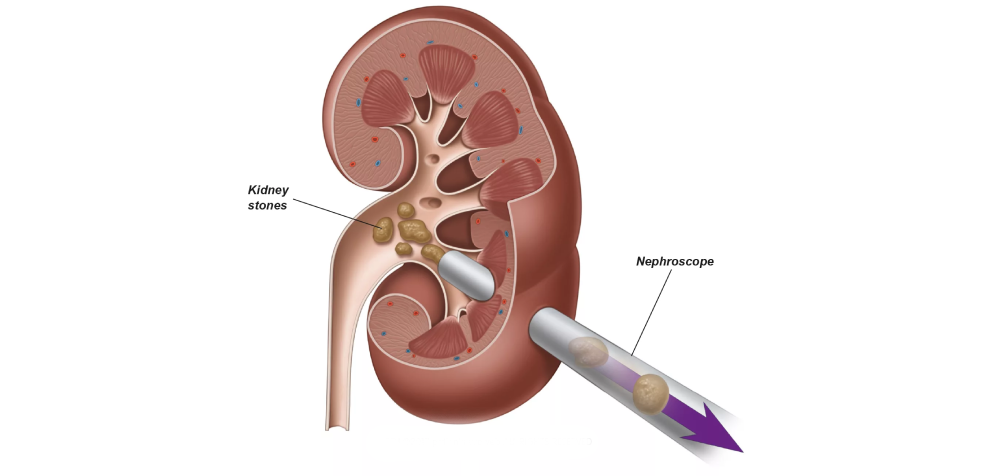
PCNL (Percutaneous Nephrolithotomy) PCNL (Percutaneous Nephrolithotomy) is an advanced, minimally invasive surgical procedure used to …
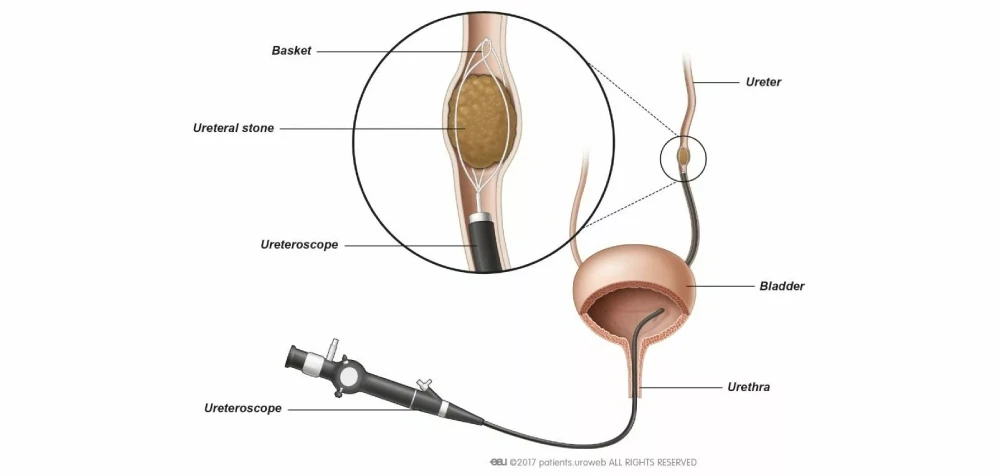
URS with laser removal URS (Ureteroscopy) with laser lithotripsy is a highly effective, minimally invasive …

Dr. Ajinkya Kasekar is a trusted urologist in Mumbai, offering comprehensive care for kidney stones, prostate disorders, urinary infections, incontinence, and reconstructive urology using modern, minimally invasive techniques.