
Why Men Over 50 Should Watch Out for Prostate Enlargement (BPH)
Introduction Prostate enlargement, also known as Benign Prostatic Hyperplasia (BPH), is a common condition affecting men as they age. By age 60, nearly 50% of men experience symptoms; by age 85, the number rises to 90%.In this blog, Dr. Ajinkya Kasekar explains the warning signs, causes, and treatment options for an enlarged prostate. What Is BPH? BPH is a non-cancerous enlargement of the prostate gland.As the gland grows, it compresses the urethra and affects urine flow. Symptoms of Prostate Enlargement These symptoms worsen gradually if untreated. Why Does BPH Occur? The exact cause is unclear, but contributing factors include: Diagnosis Evaluation may include: Treatment Options for BPH 1. Medications 2. Minimally Invasive Procedures For worsening or moderate symptoms. 3. TURP (Transurethral Resection of Prostate) Gold-standard surgery for BPH.Removes obstructing prostate tissue through the urethra. 4. TUIP Small incision in the prostate to improve flow.Ideal for smaller prostates. 5. Laser Prostate Surgery Advanced method using laser energy to shrink or vaporize tissue. Complications If Left Untreated Conclusion Prostate enlargement is common but manageable. Early diagnosis ensures simpler treatment and better outcomes.If you’re experiencing urinary symptoms, consult Dr. Ajinkya Kasekar for accurate evaluation and modern treatment options.
RIRS vs URS vs PCNL – Which Stone Treatment Is Right for You?
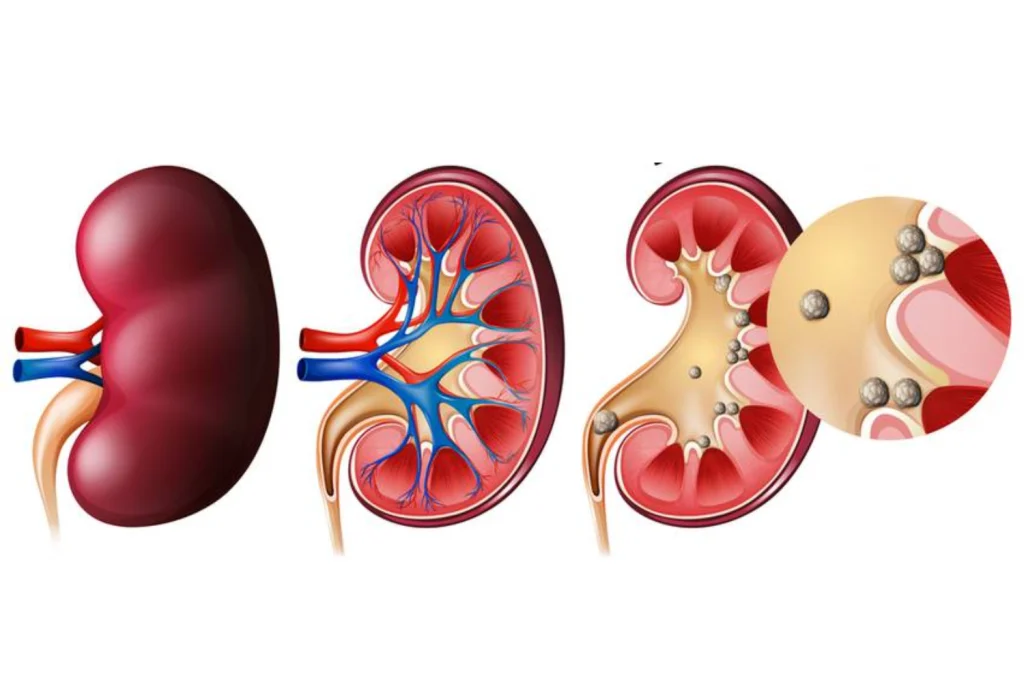
Introduction Kidney and ureteric stones are treated using different techniques depending on their size, location, and hardness. The three most common and effective procedures today are RIRS, URS, and PCNL.This blog by Dr. Ajinkya Kasekar explains the differences so patients can understand which option may be right for them. 1. URS (Ureteroscopy With Laser) What It Is A thin endoscope is passed through the urethra → bladder → ureter to reach the stone.A laser breaks the stone into small pieces. Best For: Advantages 2. RIRS (Retrograde Intrarenal Surgery) What It Is A flexible ureteroscope is used to reach the innermost parts of the kidney.A laser converts the stone into fine dust. Best For: Advantages 3. PCNL (Percutaneous Nephrolithotomy) What It Is A small keyhole incision is made in the back to directly access the kidney.The stone is removed using ultrasonic/laser energy. Best For: Advantages How to Choose the Right Treatment Stone Size Best Treatment <6 mm Medicines 6 mm – 1.5 cm URS Up to 2 cm RIRS >2–2.5 cm or large PCNL Staghorn stones PCNL Other factors: age, medical history, stone hardness, infection, kidney anatomy. Conclusion Each procedure has its role, and the right treatment can only be decided after proper evaluation.For accurate diagnosis and the most suitable option, consult Dr. Ajinkya Kasekar, specialist in advanced laser and minimally invasive stone surgeries.
Kidney Stones – Causes, Symptoms & Treatment Options
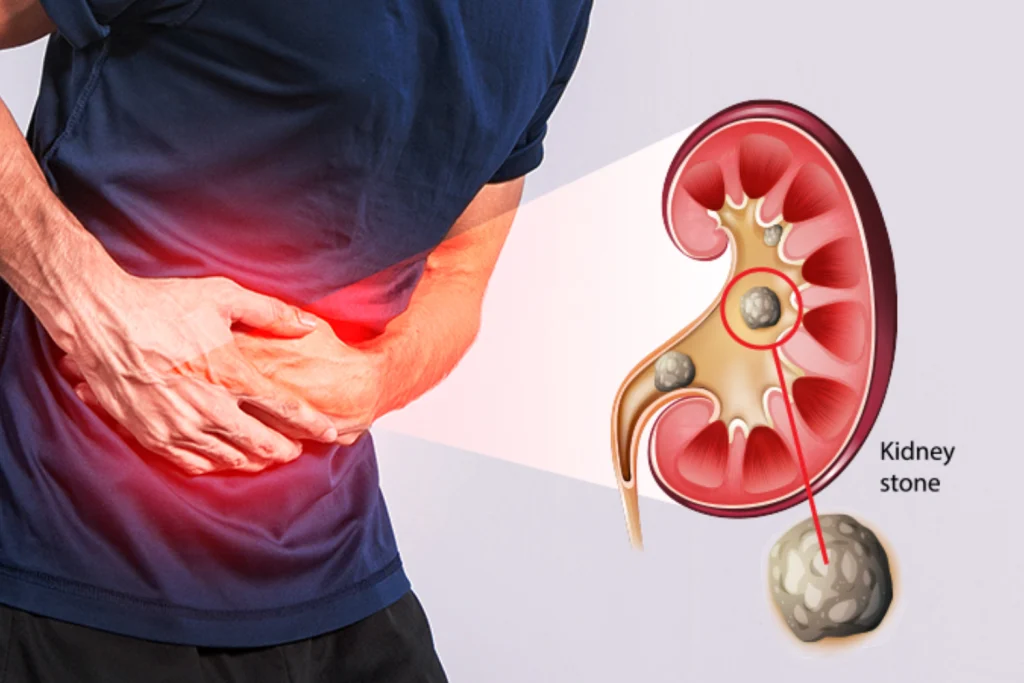
Introduction Kidney stones are one of the most common urological conditions seen today, affecting men and women of all ages. They often cause severe pain and discomfort, especially when they move into the ureter (the tube connecting the kidney and bladder).In this guide, Dr. Ajinkya Kasekar explains why kidney stones form, what symptoms to look out for, and the most effective modern treatments available. What Are Kidney Stones? Kidney stones are hard deposits made of minerals and salts that form inside the kidneys. They vary in size—from tiny grains to large stones that can block urine flow. The most common types include: Common Causes of Kidney Stones Kidney stones typically form due to: When urine becomes too concentrated, crystals start to form and grow into stones. Symptoms of Kidney Stones Patients may experience: Pain usually starts when the stone moves from the kidney to the ureter. Diagnosis To confirm a stone and plan treatment, your doctor may advise: Treatment Options Treatment depends on the size, location, and type of stone. 1. Medical Management For stones <5–6 mm: 2. ESWL (Shock Wave Therapy) External sound waves break small stones into fragments. 3. URS (Ureteroscopy) With Laser A thin scope is used to reach and break stones in the ureter or kidney—no cuts. 4. RIRS (Retrograde Intrarenal Surgery) Advanced flexible endoscopy with laser to break kidney stones into dust. 5. PCNL (Percutaneous Nephrolithotomy) Keyhole surgery for large or complex stones. Prevention Tips Conclusion Kidney stones can be painful, but modern treatments offer quick relief with minimal discomfort.If you are facing symptoms, consult Dr. Ajinkya Kasekar for expert evaluation and advanced stone treatment.