Urinary Problems in Male and Female Patients What Are Urinary Problems? Urinary problems refer to …
Pyeloplasty is a surgical procedure used to correct ureteropelvic junction (UPJ) obstruction, a condition where the connection between the kidney and ureter becomes narrow or blocked. This blockage hinders urine flow from the kidney to the bladder and can lead to pain, infections, or kidney damage.
Under the expert care of Dr. Ajinkya Kasekar, pyeloplasty is performed through laparoscopic, robotic, or open techniques, ensuring long-lasting relief and preservation of kidney function.
UPJ obstruction occurs when the junction between:
Kidney (renal pelvis) → Ureter (urine tube)
is narrowed or blocked.
This leads to urine buildup in the kidney (hydronephrosis), causing pain and swelling.
It may be caused by:
Congenital defect (present from birth)
Scar tissue
Crossing blood vessels
Stones
Previous surgeries
Trauma or infections
Pyeloplasty is considered the gold-standard treatment for this condition.
You may need pyeloplasty if you have:
Persistent flank pain
Recurrent kidney infections
Hydronephrosis on ultrasound
Poor urine drainage
Kidney function decline
Stones caused by obstruction
Recurrent vomiting (common in children)
1. Laparoscopic Pyeloplasty
Small keyhole incisions
Minimal pain
Faster recovery
Highly effective
2. Robotic Pyeloplasty
Robot-assisted precision
Ideal for complex or recurrent UPJ obstructions
Excellent cosmetic and functional results
3. Open Pyeloplasty
Used for complicated anatomical cases
Traditional but extremely effective
A narrow or blocked portion of the UPJ is identified.
The narrowed segment is removed.
The healthy ureter is reconnected to the renal pelvis to restore urine flow.
A temporary DJ stent is placed to support healing.
Incisions are closed depending on the surgical approach.
Surgery typically takes 1.5–3 hours.
Permanent solution for UPJ obstruction
Restores normal urine flow
Relieves pain and swelling
Prevents kidney damage
High long-term success rate (success >95%)
Faster recovery with laparoscopic/robotic methods
Most patients:
Stay in the hospital for 1–2 days (laparoscopic/robotic)
Experience mild discomfort for a few days
Resume normal activities in 7–14 days
Need DJ stent removal after 4–6 weeks
Undergo ultrasound or scans to confirm improvement
Children typically recover very quickly.
Adults:
Flank pain
Recurrent kidney stones
Urinary infections
Nausea/vomiting
Reduced kidney function
Children:
Abdominal swelling
Vomiting
Irritability
Poor feeding
UTI symptoms
Pyeloplasty provides excellent long-term results in both.
Expertise in laparoscopic & robotic reconstructive surgeries
High success rates with minimal discomfort
Precision-based technique for lasting results
Comprehensive pre- and post-operative care
Compassionate, patient-centered approach
If you or your child has been diagnosed with UPJ obstruction or hydronephrosis, pyeloplasty offers a safe and definitive solution.
Consult Dr. Ajinkya Kasekar for expert evaluation and advanced reconstructive surgery.
Urinary Problems in Male and Female Patients What Are Urinary Problems? Urinary problems refer to …
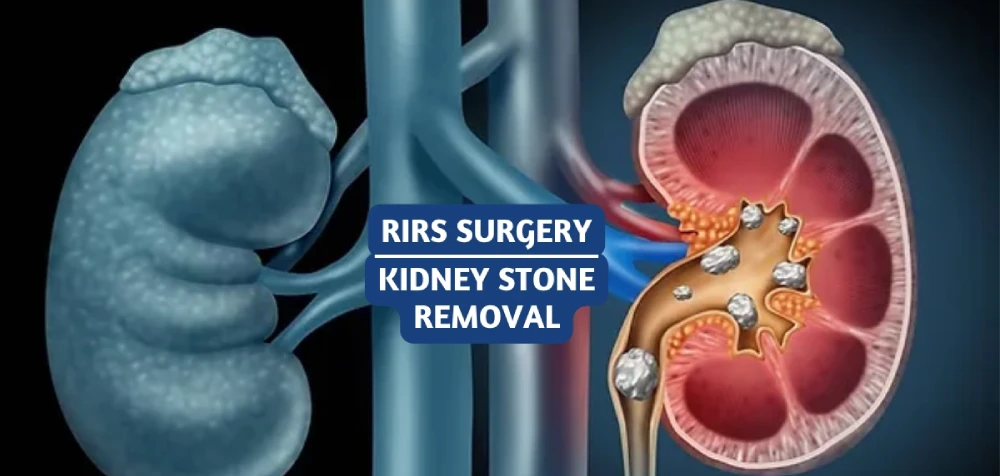
RIRS with laser removal RIRS (Retrograde Intrarenal Surgery) with laser lithotripsy is one of the …
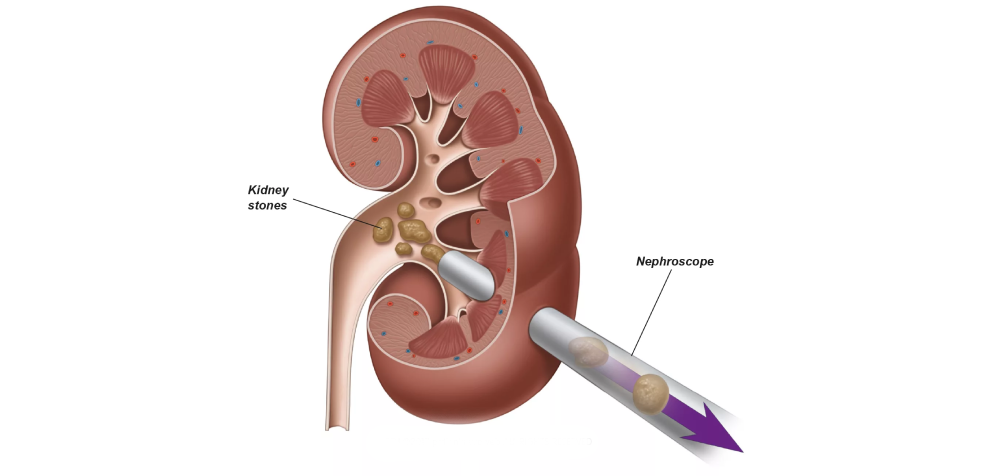
PCNL (Percutaneous Nephrolithotomy) PCNL (Percutaneous Nephrolithotomy) is an advanced, minimally invasive surgical procedure used to …
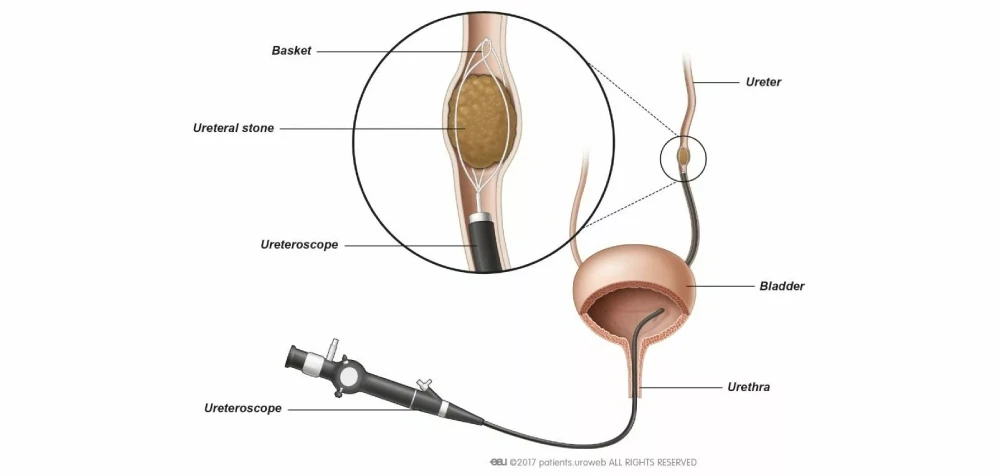
URS with laser removal URS (Ureteroscopy) with laser lithotripsy is a highly effective, minimally invasive …

Dr. Ajinkya Kasekar is a trusted urologist in Mumbai, offering comprehensive care for kidney stones, prostate disorders, urinary infections, incontinence, and reconstructive urology using modern, minimally invasive techniques.