Urinary Problems in Male and Female Patients What Are Urinary Problems? Urinary problems refer to …
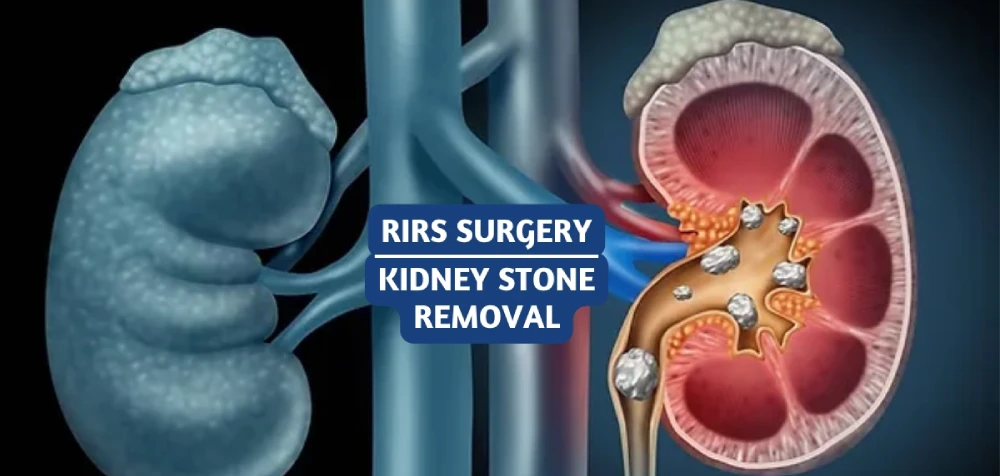
PCNL (Percutaneous Nephrolithotomy) is an advanced, minimally invasive surgical procedure used to remove large, complex, or multiple kidney stones that cannot be treated effectively through medications, ESWL, or endoscopic procedures like RIRS.
With the expertise of Dr. Ajinkya Kasekar, PCNL is performed safely using modern instruments to ensure maximum stone clearance and a faster recovery.
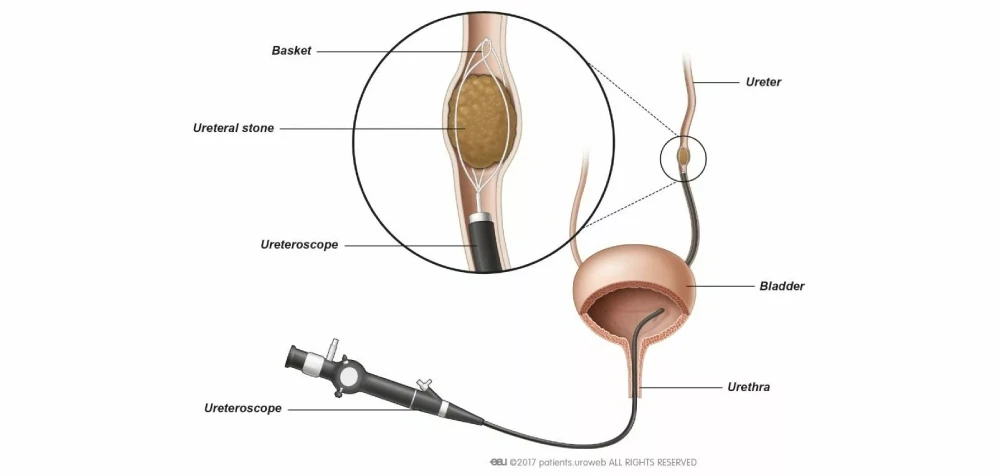
PCNL involves making a small keyhole incision (about 1 cm) in the back to directly access the kidney. A special nephroscope is passed through this tract, allowing the surgeon to visualize and remove stones using ultrasonic, pneumatic, or laser energy.
It is the most effective procedure for:
Large stones (>2 cm)
Staghorn stones
Hard stones not responding to other treatments
Multiple stones inside the kidney
PCNL is recommended for patients with:
Kidney stones larger than 2–2.5 cm
Staghorn or infected stones
Stones causing repeated infections
Stones unreachable by RIRS
Stones resistant to shockwave treatment
Stones causing severe blockage or kidney damage
Obesity or anatomical issues where other procedures fail
PCNL is performed under spinal or general anesthesia.
Steps include:
A small incision (keyhole) is made in the flank region.
A direct access tract is created into the kidney.
A nephroscope is inserted to visualize the stone.
The stone is fragmented using laser/ultrasonic devices.
Stone pieces are removed safely.
A tube or stent may be placed temporarily for drainage.
The procedure typically takes 60–90 minutes, depending on the stone size and complexity.
Dr. Ajinkya Kasekar offers all modern variations:
Standard PCNL – for large and complex stones
Mini PCNL – smaller tract size, less pain
Ultra-Mini PCNL – for selected stones with minimal trauma
Tubeless PCNL – faster recovery, no drainage tube in selected cases
Highest stone clearance rates for large stones
Minimally invasive with a small incision
Short hospital stay (1–2 days)
Faster recovery compared to open surgery
Safe for complex stone cases
Ideal for large, hard, or recurring stones
Most patients experience:
Hospital stay of 24–48 hours
Mild discomfort at the incision site
Catheter or nephrostomy tube removal in 1–2 days (if placed)
Return to normal activities in 7–10 days
Follow-up imaging is done to ensure complete stone clearance.
As with any surgical procedure, minor risks may include:
Mild bleeding
Fever or infection
Temporary tube/stent discomfort
Under the care of Dr. Ajinkya Kasekar, PCNL is performed with high precision to minimize risks and ensure optimal outcomes.
Expertise in advanced kidney stone surgeries
Performs both mini and standard PCNL
High success and low complication rates
Use of latest endoscopic and laser technology
Patient-focused approach with clear pre- and post-care guidance
Skilled in treating difficult and recurrent stone cases
If you have large or complex kidney stones, PCNL may be the most effective and long-lasting treatment.
Consult Dr. Ajinkya Kasekar for expert evaluation and advanced stone management.
Urinary Problems in Male and Female Patients What Are Urinary Problems? Urinary problems refer to …
RIRS with laser removal RIRS (Retrograde Intrarenal Surgery) with laser lithotripsy is one of the …
URS with laser removal URS (Ureteroscopy) with laser lithotripsy is a highly effective, minimally invasive …
Endoscopy with Laser Removal Endoscopic laser removal is a modern, minimally invasive procedure used to …

Dr. Ajinkya Kasekar is a trusted urologist in Mumbai, offering comprehensive care for kidney stones, prostate disorders, urinary infections, incontinence, and reconstructive urology using modern, minimally invasive techniques.