Urinary Problems in Male and Female Patients What Are Urinary Problems? Urinary problems refer to …
Ureteric reimplant (also called ureteral reimplantation) is a surgical procedure used to treat blockages or abnormalities in the lower ureter by reattaching the ureter to a healthy part of the bladder.
Performed by Dr. Ajinkya Kasekar, this procedure restores normal urine flow, relieves pain and swelling, and prevents long-term kidney damage—using advanced laparoscopic, robotic, or open techniques.
The lower ureter can become narrowed or blocked due to scar tissue, stones, infection, injury, or congenital abnormalities.
This prevents urine from flowing smoothly from the kidney to the bladder, leading to:
Hydronephrosis (swollen kidney)
Recurrent infections
Pain
Kidney function decline
Ureteric reimplantation surgically bypasses the blockage by inserting the ureter into a new, healthy site on the bladder, restoring proper drainage.
This procedure is recommended for:
Lower ureteric stricture
Injured or damaged ureter
Blockage after stone removal surgery
Ureteric obstruction due to infection or trauma
Post-radiation strictures
Congenital defects (common in children)
Vesicoureteral reflux (VUR) in select cases
Early treatment prevents permanent kidney damage.
Persistent flank or lower abdominal pain
Difficulty in passing urine
Recurrent urinary infections
Fever with chills (in severe cases)
Blood in urine
Hydronephrosis on ultrasound
Reduced kidney function
Depending on the patient’s condition, Dr. Ajinkya Kasekar performs the surgery using:
1. Laparoscopic Reimplant
Small keyhole incisions
Minimal pain
Quick recovery
Excellent cosmetic results
2. Robotic-Assisted Reimplant
Superior precision
Ideal for complex strictures
Faster and safer reconstruction
3. Open Reimplantation
Used in rare, complicated cases or when anatomy demands it
The narrowed or damaged portion of the ureter is identified.
If needed, the diseased segment is removed.
The ureter is reattached to a new, healthy location on the bladder wall.
A DJ stent is placed to support healing.
The bladder is reconstructed to prevent reflux and ensure proper flow.
Surgery time: 1.5–3 hours, depending on complexity.
Psoas Hitch
The bladder is mobilized slightly upward to bridge the gap.
Boari Flap
A small bladder flap is created to reconstruct long ureteric defects.
These techniques allow reconstruction even when long segments of the ureter are damaged.
Restores normal urine drainage
Relieves pain and hydronephrosis
Prevents recurrent UTIs
Protects long-term kidney function
Long-lasting, durable results
Minimal recurrence when performed precisely
Most patients:
Stay in the hospital for 1–3 days
Resume routine activities within 1–2 weeks (laparoscopic/robotic)
Require DJ stent removal after 4–6 weeks
Undergo follow-up imaging to ensure proper healing
Mild discomfort or frequency during urination is normal initially.
Expertise in laparoscopic, robotic, and open ureteric reconstruction
High success rates with minimal complications
Experience in complex and recurrent ureteric strictures
Precision-based approach with modern surgical techniques
Compassionate, patient-centered care
Strong emphasis on protecting long-term kidney function
If you have been diagnosed with a lower ureteric stricture or obstruction, ureteric reimplant provides a safe and definitive solution.
Consult Dr. Ajinkya Kasekar for expert evaluation and advanced reconstructive surgery.
Urinary Problems in Male and Female Patients What Are Urinary Problems? Urinary problems refer to …
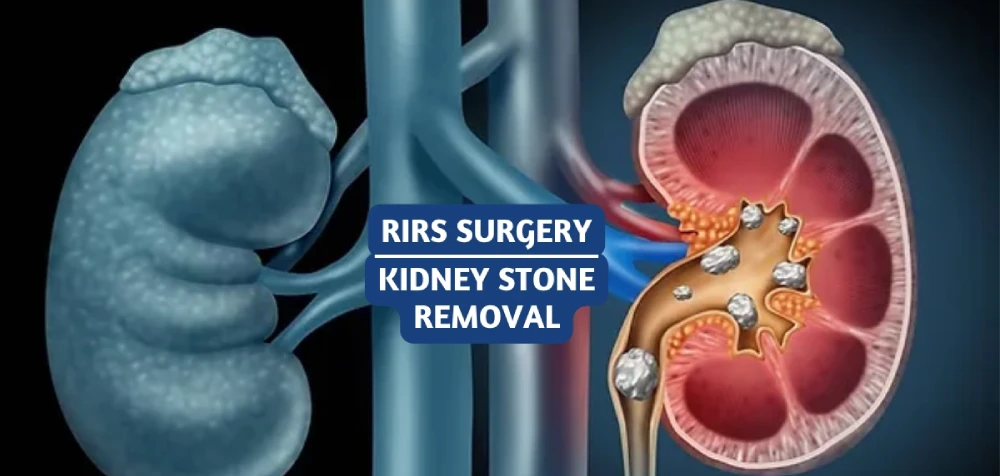
RIRS with laser removal RIRS (Retrograde Intrarenal Surgery) with laser lithotripsy is one of the …
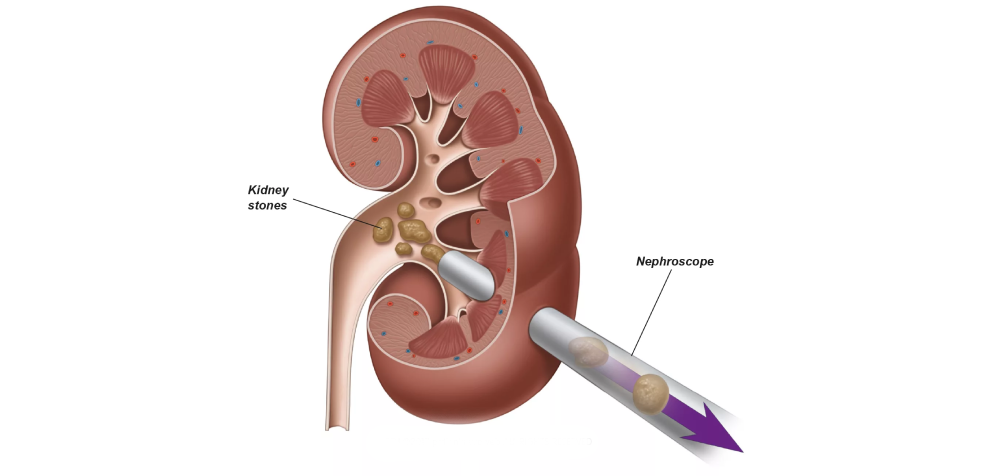
PCNL (Percutaneous Nephrolithotomy) PCNL (Percutaneous Nephrolithotomy) is an advanced, minimally invasive surgical procedure used to …
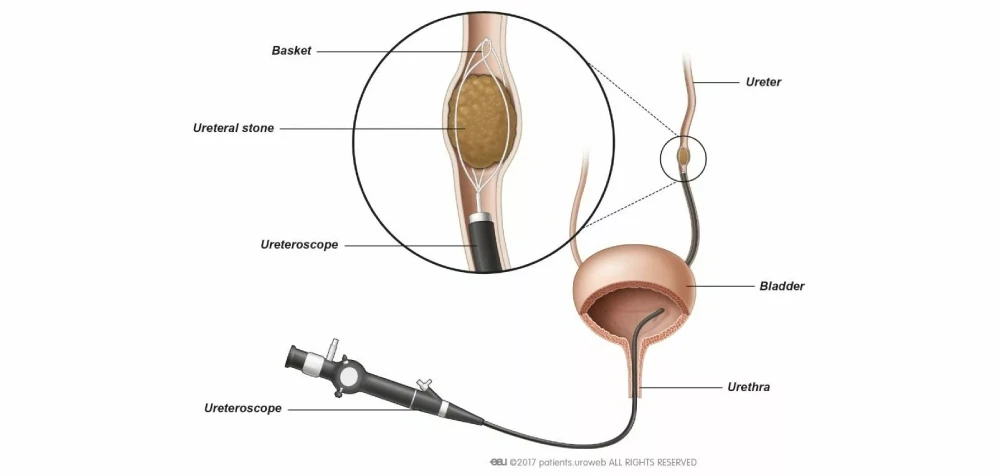
URS with laser removal URS (Ureteroscopy) with laser lithotripsy is a highly effective, minimally invasive …

Dr. Ajinkya Kasekar is a trusted urologist in Mumbai, offering comprehensive care for kidney stones, prostate disorders, urinary infections, incontinence, and reconstructive urology using modern, minimally invasive techniques.