
Introduction
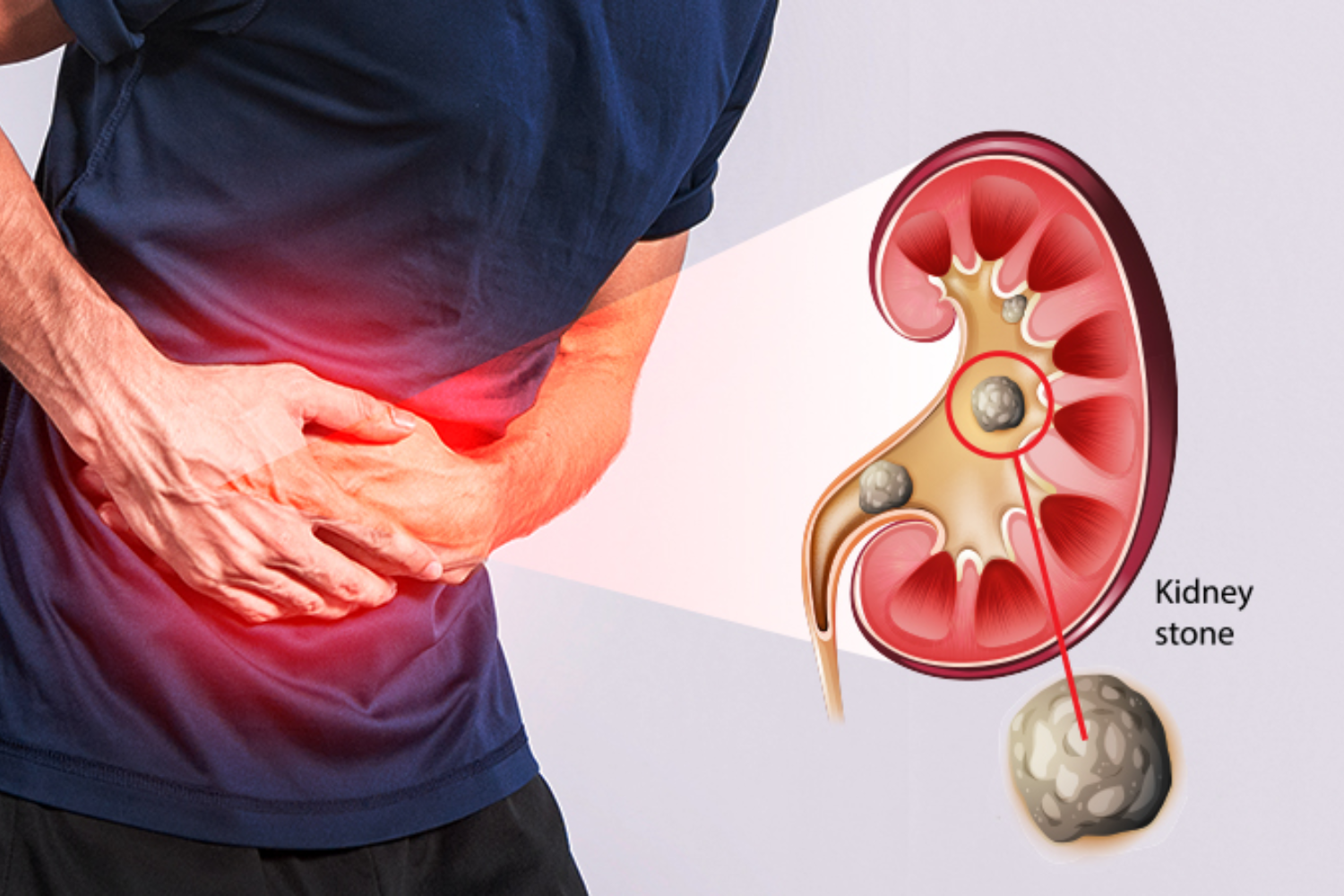
Kidney stones are one of the most common urological conditions seen today, affecting men and women of all ages. They often cause severe pain and discomfort, especially when they move into the ureter (the tube connecting the kidney and bladder).
In this guide, Dr. Ajinkya Kasekar explains why kidney stones form, what symptoms to look out for, and the most effective modern treatments available.
What Are Kidney Stones?
Kidney stones are hard deposits made of minerals and salts that form inside the kidneys. They vary in size—from tiny grains to large stones that can block urine flow.
The most common types include:
- Calcium oxalate stones
- Uric acid stones
- Struvite stones (infection-related)
- Cystine stones (rare, genetic)
Common Causes of Kidney Stones
Kidney stones typically form due to:
- Low water intake / dehydration
- High salt or high-oxalate diet
- Genetic tendency
- Recurrent kidney infections
- Metabolic disorders
- Obesity
- Certain medications
When urine becomes too concentrated, crystals start to form and grow into stones.
Symptoms of Kidney Stones
Patients may experience:
- Severe sharp back or side pain
- Pain radiating to the groin
- Burning during urination
- Frequent urge to urinate
- Blood in urine
- Nausea or vomiting
- Fever (in case of infection)
Pain usually starts when the stone moves from the kidney to the ureter.
Diagnosis
To confirm a stone and plan treatment, your doctor may advise:
- Ultrasound
- CT scan (most accurate)
- Urine test
- Blood test
Treatment Options
Treatment depends on the size, location, and type of stone.
1. Medical Management
For stones <5–6 mm:
- Painkillers
- Hydration
- Medicines to help the stone pass
2. ESWL (Shock Wave Therapy)
External sound waves break small stones into fragments.
3. URS (Ureteroscopy) With Laser
A thin scope is used to reach and break stones in the ureter or kidney—no cuts.
4. RIRS (Retrograde Intrarenal Surgery)
Advanced flexible endoscopy with laser to break kidney stones into dust.
5. PCNL (Percutaneous Nephrolithotomy)
Keyhole surgery for large or complex stones.
Prevention Tips
- Drink 2.5–3 liters of water daily
- Reduce salt intake
- Limit oxalate-rich foods (nuts, spinach, tea)
- Maintain a healthy weight
- Follow medical advice for recurrent stones
Conclusion
Kidney stones can be painful, but modern treatments offer quick relief with minimal discomfort.
If you are facing symptoms, consult Dr. Ajinkya Kasekar for expert evaluation and advanced stone treatment.